Reading a tire involves decoding the alphanumeric sequence on the sidewall to identify dimensions, load limits, and safety ratings. Most fleet managers and importers ignore these cryptic markings until a blowout or inspection failure occurs. Choosing the wrong specification based on a misunderstanding of these codes can compromise vehicle handling and increase operational costs. By mastering OEM tire branding at cytyre.com , you ensure your inventory matches exact vehicle requirements for safety and performance.
What do the technical markings on a sidewall reveal?
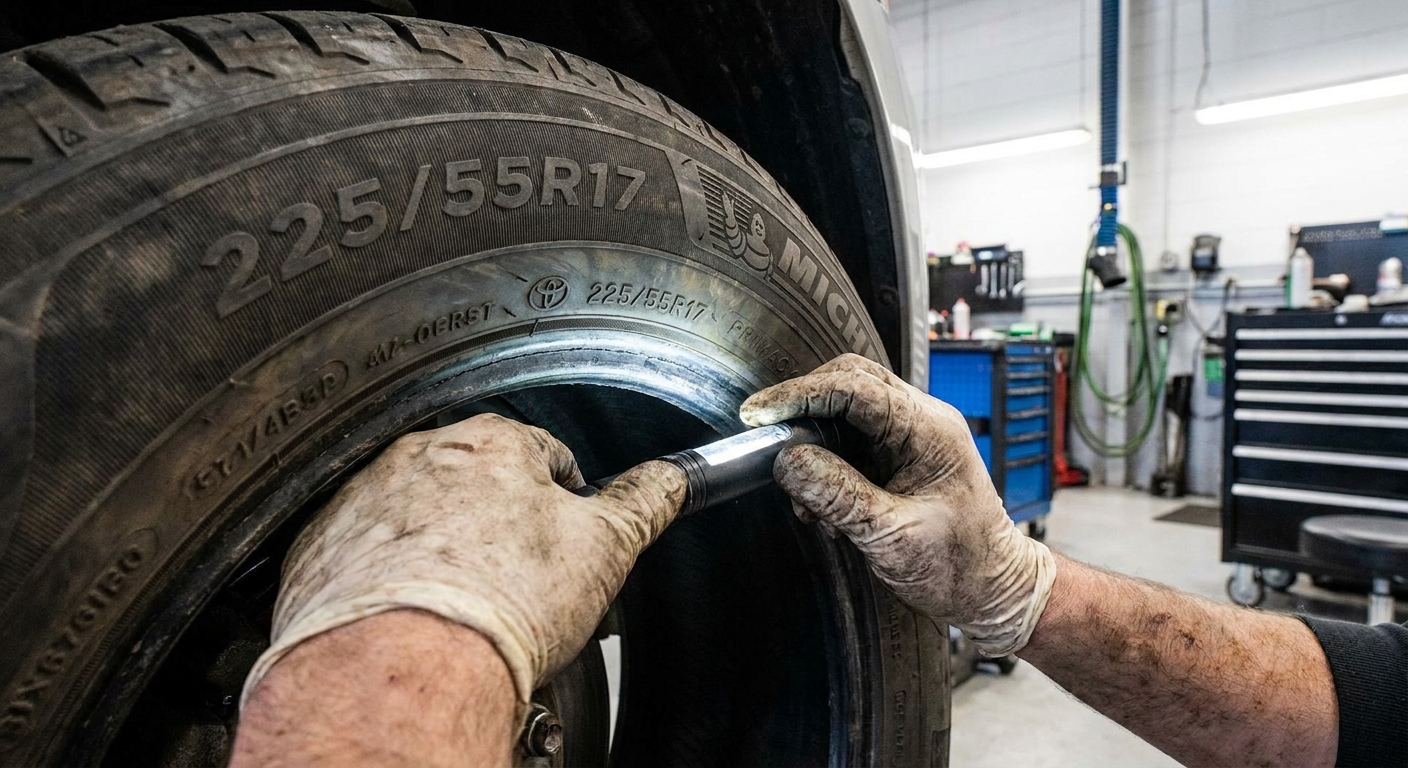
Sidewall markings provide a comprehensive technical blueprint of a tire’s physical capabilities and regulatory compliance. Every professional in the automotive supply chain must understand OEM tire branding to verify that tires meet the necessary industrial standards. These codes communicate everything from size to internal architecture.
Decoding the Alpha-Numeric Sequence
Look at this: The long string of characters isn’t random; it follows a global standard for identification and safety. Using printed compliance markings allows for better inventory management and traceability across your fleet.
- Service Description: Defines the vehicle type and load purpose.
- Physical Dimensions: Lists width, height, and rim diameter.
- Internal Construction: Specifies how the tire is built.
Key Takeaway: Correctly interpreting sidewall data is the first line of defense against choosing incompatible equipment for your heavy-duty vehicles.
| Component | Meaning | Industrial Role | |
|---|---|---|---|
| First Letters | Service Class | Defines Vehicle Type | |
| Numbers | Dimensions | Ensures Mechanical Fit | |
| Final Letter | Speed Rating | Safety Limit |
Analysis Guide: Start from the left to identify the vehicle class before checking the dimensional fitment.
How do prefixes distinguish between vehicle types?
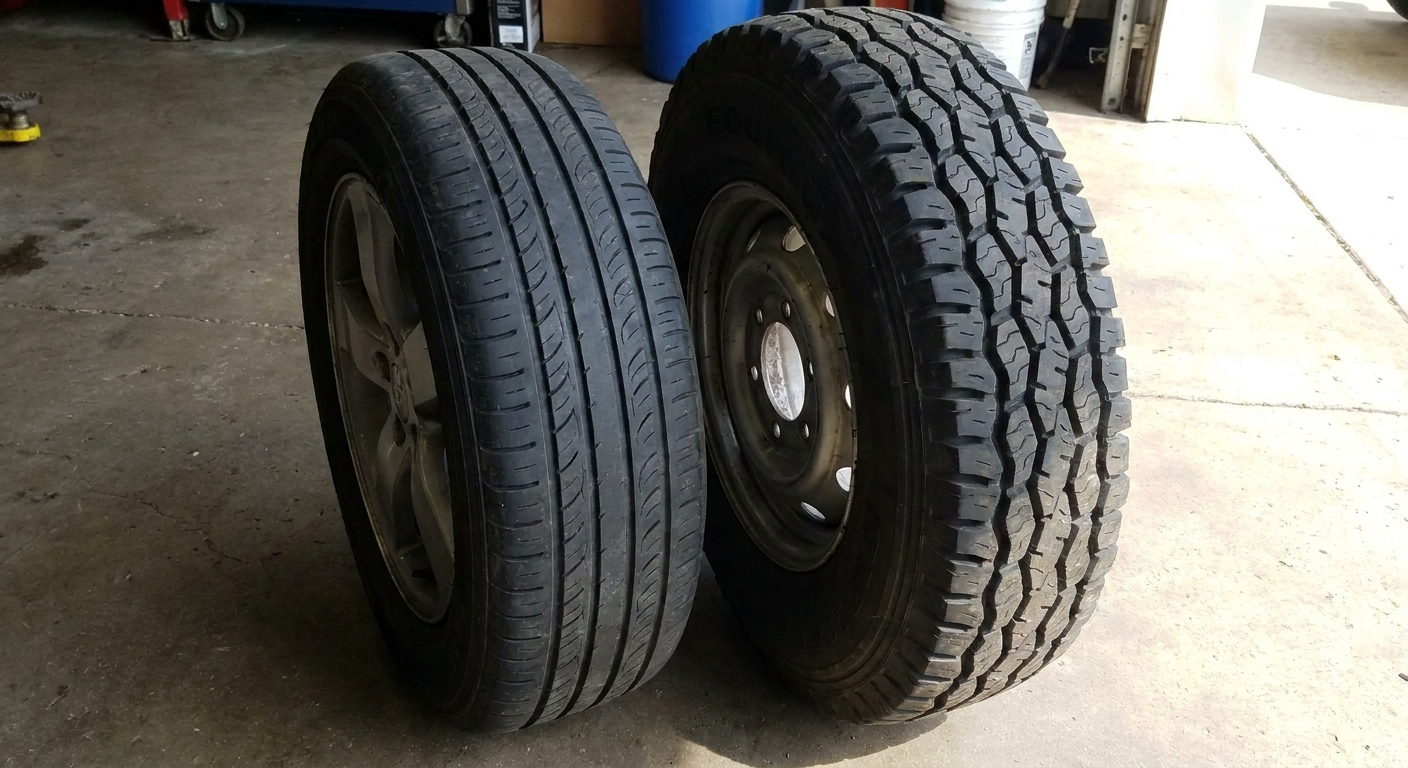
Prefix letters like “P” or “LT” tell you exactly what kind of weight and terrain the tire was designed to handle. Importers should prioritize specific OEM tire branding to ensure they are providing the correct tire class to their regional markets. Mixing these classes on the same axle can lead to catastrophic suspension damage.
Passenger vs Light Truck Designations
But here is the kicker: A passenger tire on a heavy truck will fail under pressure, even if the size looks identical. You must verify the service prefix to protect your drivers and your bottom line.
- P: Designed for passenger cars and minivans with lighter loads.
- LT: Built for heavy-duty pickups and commercial vans.
- ST: Reserved for special trailer applications only.
Key Takeaway: The prefix determines the tire’s internal strength and its ability to withstand high-pressure commercial environments.
| Prefix | Vehicle Category | Load Capacity | |
|---|---|---|---|
| P | Passenger | Low to Moderate | |
| LT | Light Truck | High / Reinforced | |
| T | Temporary | Emergency Only |
Analysis Guide: Always match the prefix to the vehicle’s gross weight rating found on the chassis.
Where can you find the primary size dimensions?

Primary dimensions are located immediately following the prefix and are measured in millimeters and percentages. Precise OEM tire branding ensures that these numbers reflect the actual physical footprint of the tire on the road. Without accurate measurements, your vehicle’s speedometer and safety systems will provide false data.
Width and Aspect Ratio Mechanics
Look at this: The first three digits represent the width, while the following two digits define the height of the sidewall. Getting this ratio wrong can significantly impact your fuel efficiency and cornering stability.
- Nominal Width: Measured in millimeters from sidewall to sidewall.
- Aspect Ratio: The height expressed as a percentage of the width.
- Fitment Precision: Essential for wheel well clearance.
Key Takeaway: Size dimensions dictate how the tire interacts with the vehicle’s suspension and the ground surface.
| Metric | Measured In | Impact | |
|---|---|---|---|
| Section Width | Millimeters | Traction Surface | |
| Aspect Ratio | Percentage | Ride Comfort | |
| Rim Diameter | Inches | Wheel Compatibility |
Analysis Guide: Multiply the width by the aspect ratio to calculate the actual sidewall height in millimeters.
How does construction type impact driving performance?
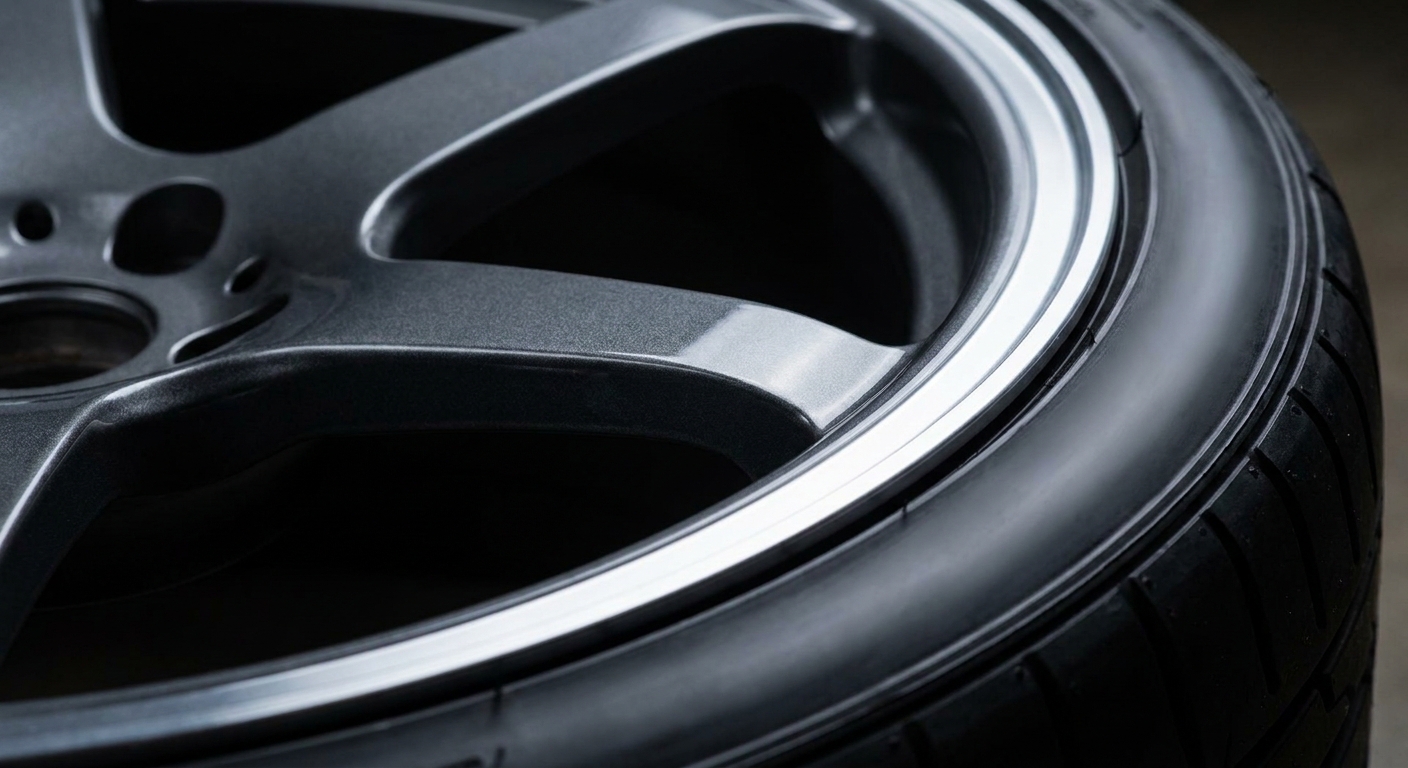
Construction type, usually indicated by the letter “R,” refers to the internal ply direction of the tire casing. Modern OEM tire branding almost exclusively uses radial construction for its superior durability and lower rolling resistance. This choice directly affects how much heat the tire generates during long-haul trips.
Radial vs Bias Ply Differences
But here is the kicker: Radial tires offer much better fuel economy, but bias-ply tires are still favored for certain off-road and agricultural tasks. Knowing which one your machine requires prevents premature tire wear and structural fatigue.
- R (Radial): Standard for most modern on-road commercial vehicles.
- B (Bias): Common in heavy-duty mining and forestry equipment.
- D (Diagonal): Older construction style rarely used in modern fleets.
Key Takeaway: The construction letter identifies the internal “skeleton” of the tire and its suitability for specific road surfaces.
| Letter | Construction | Primary Benefit | |
|---|---|---|---|
| R | Radial | Fuel Efficiency | |
| B | Bias | Sidewall Strength | |
| D | Diagonal | Heavy Load Support |
Analysis Guide: Check for the “R” to ensure you are receiving modern, fuel-efficient tire technology.
What determines the maximum weight a tire can carry?
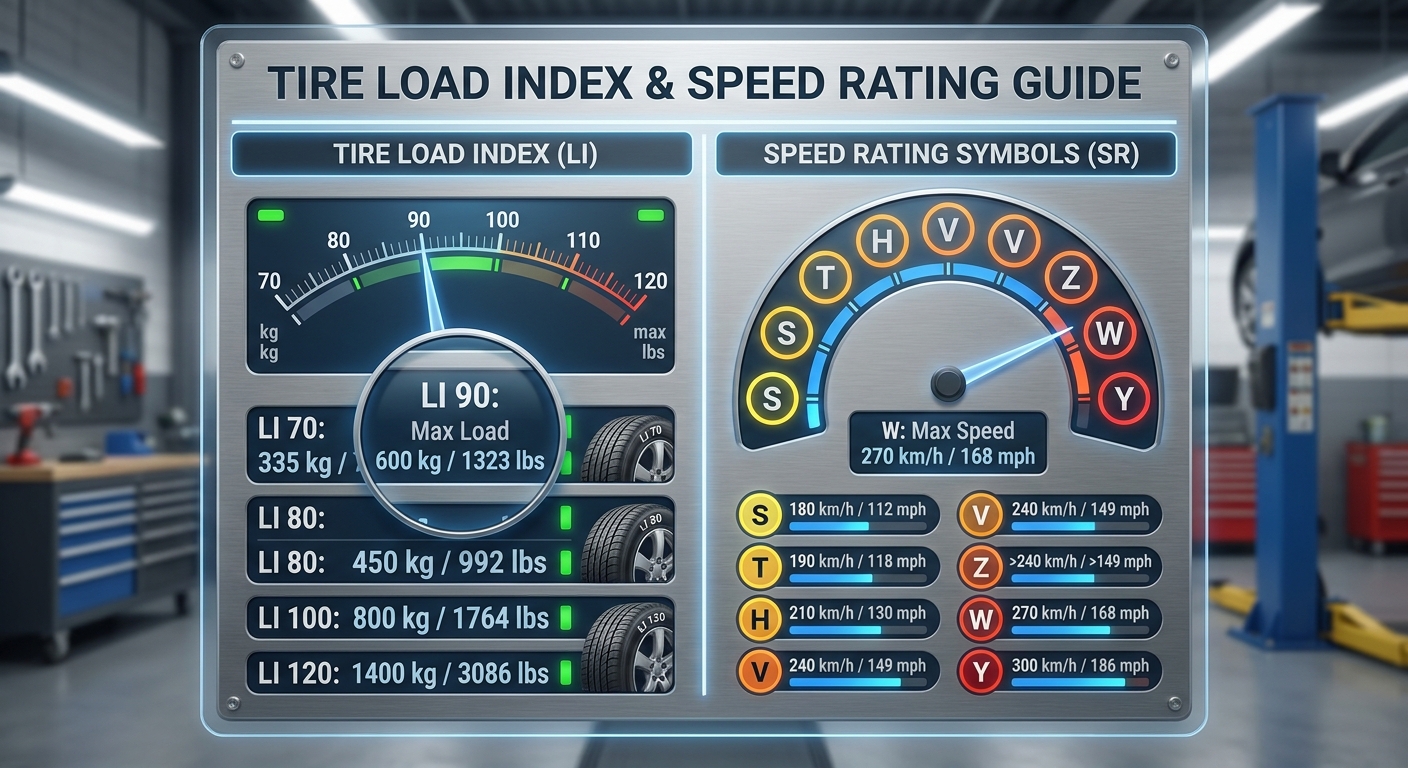
The load index is a numerical code representing the maximum weight a single tire can support when properly inflated. When ordering OEM tire branding, you must ensure the load index exceeds your vehicle’s maximum loaded weight. Overloading a tire beyond its rated index is a leading cause of roadside tire delamination.
Interpreting the Numerical Load Index
Look at this: Each number on the scale corresponds to a specific weight capacity in kilograms or pounds. You cannot simply guess this value; you must refer to an industry-standard load index chart.
- Index 90: Represents a capacity of 600kg per tire.
- Index 120: Supports up to 1400kg for heavy-duty applications.
- Safety Margin: Always choose a rating higher than your actual load.
Key Takeaway: The load index is a non-negotiable safety limit that protects the structural integrity of your tire under stress.
| Index Code | KG Capacity | LBS Capacity | |
|---|---|---|---|
| 80 | 450 kg | 992 lbs | |
| 100 | 800 kg | 1764 lbs | |
| 115 | 1215 kg | 2679 lbs |
Analysis Guide: Sum the load capacity of all tires to ensure it exceeds the vehicle’s total weight.
Why is the speed rating critical for safety?
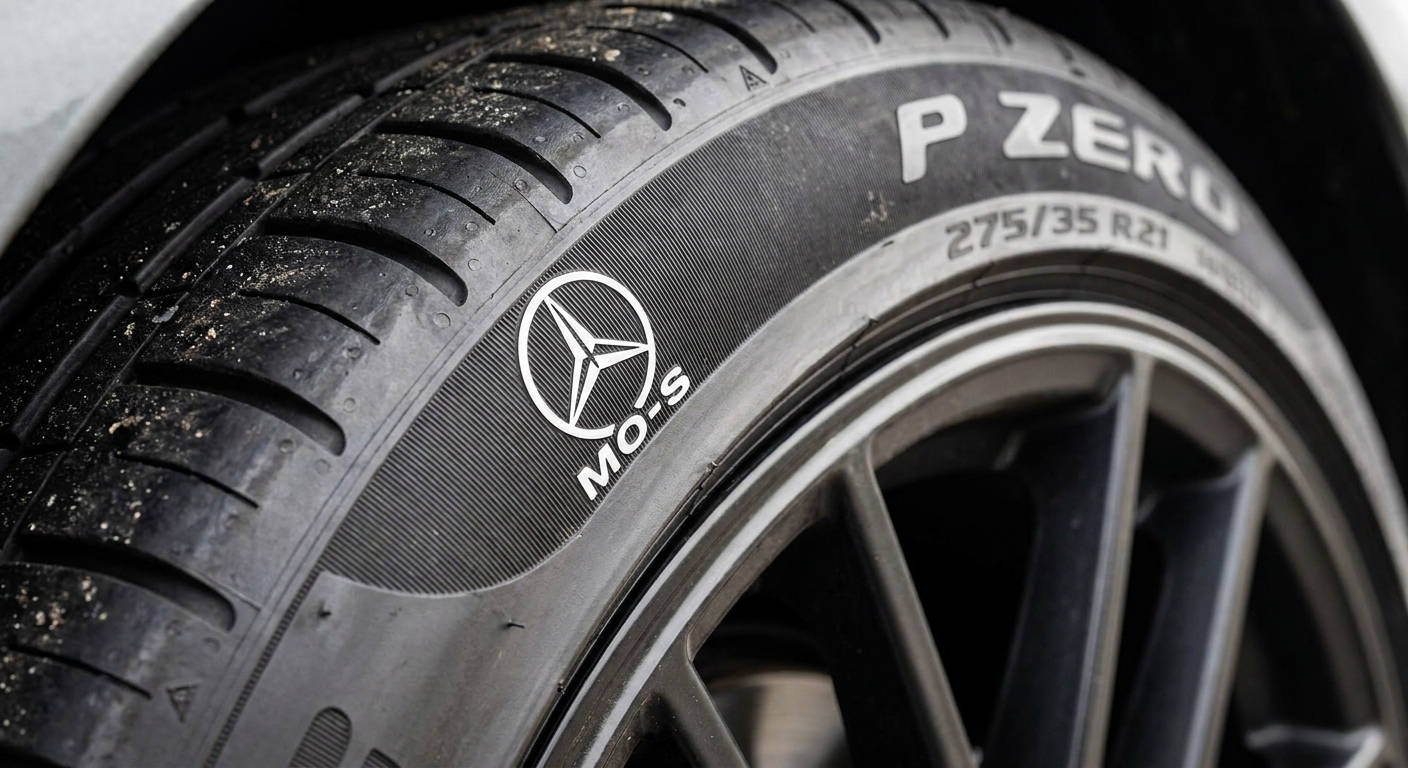
Speed ratings are represented by letters that indicate the maximum speed a tire can sustain without failing. High-quality OEM tire branding includes these ratings to ensure performance matches the vehicle’s mechanical potential. Using quality control certifications helps verify that these tires have passed high-speed heat dissipation tests.
Sustaining High Velocity Performance
But here is the kicker: A tire with a low speed rating will overheat and disintegrate if driven too fast for too long. Even if you don’t plan on driving at top speeds, a higher rating often indicates better heat management.
- H Rating: Safe for speeds up to 130 mph.
- V Rating: Designed for performance up to 149 mph.
- W/Y Ratings: Exotic specs for ultra-high-speed luxury vehicles.
Key Takeaway: Speed ratings are essentially heat-resistance ratings, determining how well the tire sheds thermal energy at speed.
| Rating | Max Speed | Typical Application | |
|---|---|---|---|
| S | 112 mph | Light Commercial | |
| T | 118 mph | Standard SUVs | |
| H | 130 mph | Touring Sedans |
Analysis Guide: Match the speed letter to the top speed of the vehicle to prevent heat-related failures.
How do you identify the exact manufacture date?
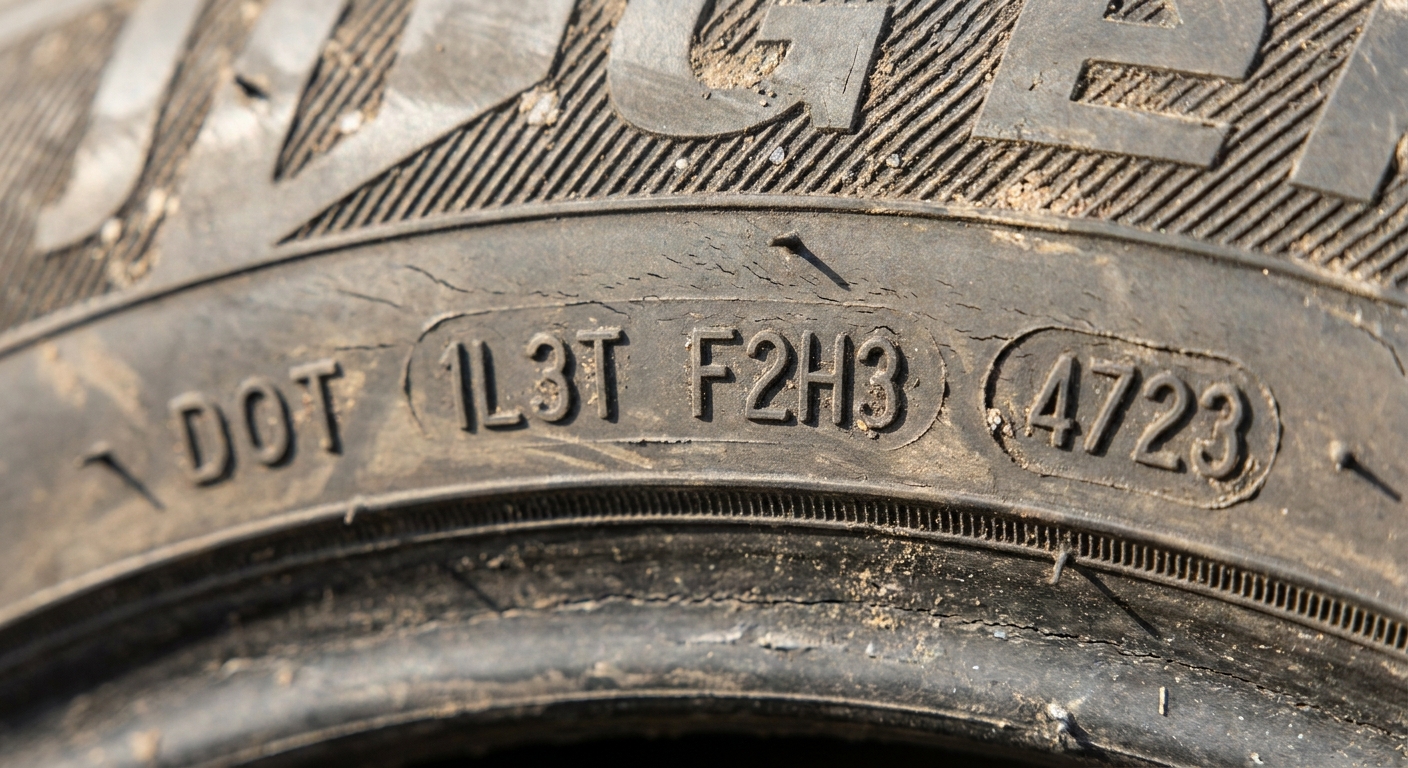
The manufacture date is coded within the last four digits of the DOT (Department of Transportation) identification number. Identifying this in OEM tire branding is vital because rubber compounds degrade over time, regardless of use. “New” tires that have sat in a warehouse for five years are no longer safe for commercial use.
Locating the Four-Digit Date Code
Look at this: The first two digits represent the week, while the last two digits represent the year. Buying tires from a reliable source ensures you are getting fresh stock with maximum lifespan.
- Code 1223: Manufactured in the 12th week of 2023.
- Expiration Window: Most experts recommend replacing tires after 6 to 10 years.
- Storage Effects: Oxidization occurs even if the tread is perfectly deep.
Key Takeaway: The DOT date code is the “best before” date for your tire’s rubber compound and safety.
| DOT Code | Week | Year | |
|---|---|---|---|
| 4723 | 47th | 2023 | |
| 0224 | 2nd | 2024 | |
| 1520 | 15th | 2020 |
Analysis Guide: Always check the date code before purchase to avoid paying for aging inventory.
Where is the recommended inflation data located?

Recommended tire pressure is found on the vehicle’s door jamb placard, not on the tire sidewall itself. Professional OEM tire branding services often emphasize that the sidewall “MAX PRESS” is a safety limit, not a daily operating instruction. Using comprehensive branding solutions ensures all technical documentation matches the vehicle’s specific pressure needs.
Max Pressure vs Recommended PSI
But here is the kicker: Over-inflating to the “MAX PRESS” listed on the tire will cause a harsh ride and rapid center-tread wear. You must follow the vehicle manufacturer’s guidelines to achieve the best balance of traction and longevity.
- Sidewall Max: The absolute limit for the tire structure.
- Placard PSI: The ideal pressure for your specific car or truck.
- Load Adjustments: Pressure may need to increase when hauling heavy loads.
Key Takeaway: The car’s door jamb is the final authority on how much air your tires actually need.
| Pressure Type | Source | Purpose | |
|---|---|---|---|
| Recommended | Door Jamb | Performance & Wear | |
| Maximum | Sidewall | Structural Safety | |
| Cold PSI | Manual | Baseline Setup |
Analysis Guide: Set your tire pressure when the tires are “cold” for the most accurate measurement.
What symbols indicate certified winter performance?

Winter performance is verified by specific symbols like the Three-Peak Mountain Snowflake (3PMSF). Every set of OEM tire branding intended for cold climates must carry these markings to be legally compliant in many regions. Without these certifications, a tire may lack the specialized rubber compound needed to stay flexible in freezing temperatures.
The 3PMSF vs M+S Distinction
Look at this: The “M+S” (Mud and Snow) marking is a manufacturer’s self-declaration, whereas the 3PMSF icon requires standardized testing. If you operate in severe winter conditions, the snowflake symbol is the only one that guarantees traction.
- 3PMSF: Certified for severe snow service and braking.
- M+S: Indicates a tread pattern designed for soft surfaces.
- Safety Gap: M+S tires may still fail on hard-packed ice or deep snow.
Key Takeaway: For winter safety, look for the mountain and snowflake symbol to ensure the rubber is engineered for ice.
| Symbol | Meaning | Testing Level | |
|---|---|---|---|
| 3PMSF | Severe Snow | Standardized Test | |
| M+S | Mud & Snow | Design Geometric | |
| Studded | Ice Traction | Mechanical Grip |
Analysis Guide: Prioritize 3PMSF markings for any fleet operating in temperatures below 7°C (45°F).
How do you assess current tread wear and quality?
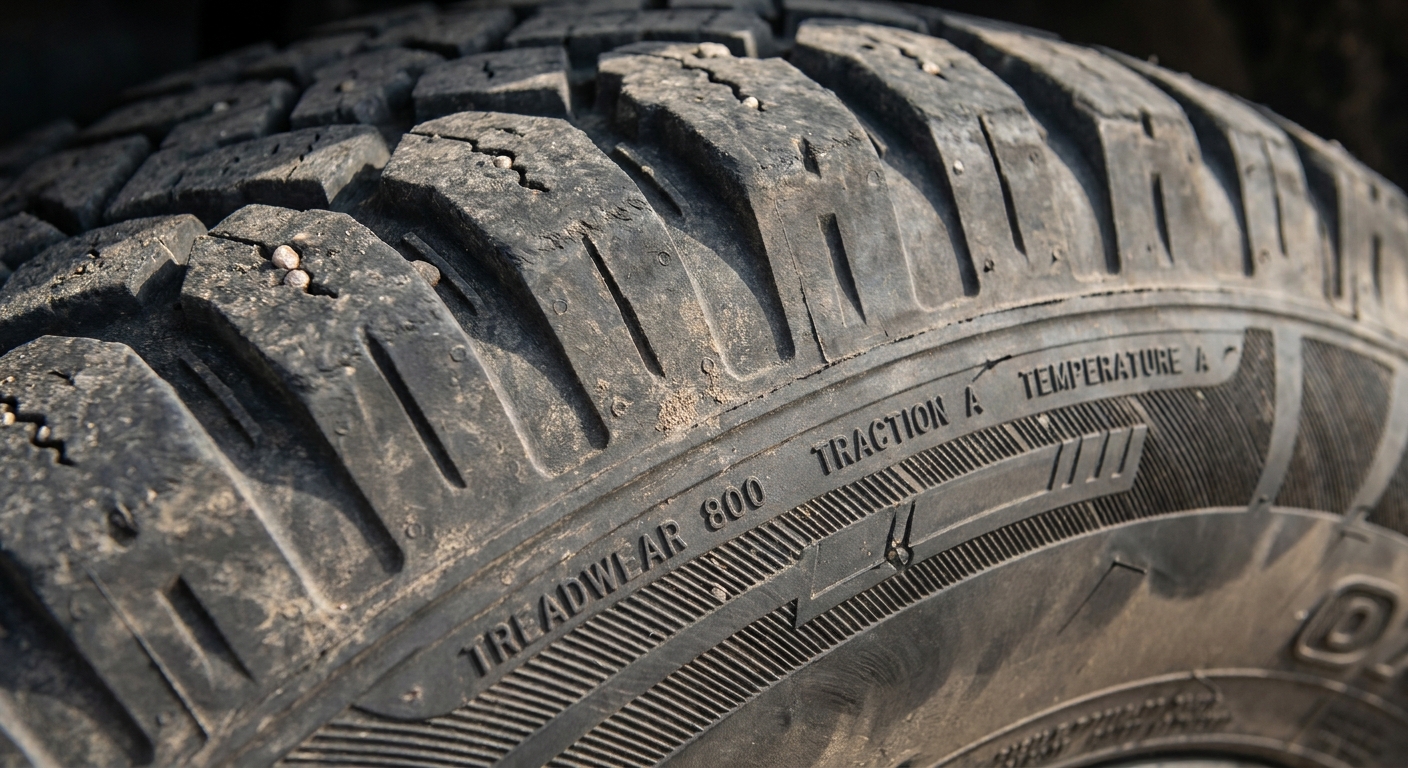
Tread wear is monitored via built-in indicator bars and the Uniform Tire Quality Grading (UTQG) system. High-end OEM tire branding utilizes custom embossing options to make these wear indicators easy for users to find. A tire’s treadwear rating (e.g., 800) helps you predict how many miles it will last compared to a baseline tire.
Using UTQG and Wear Indicators
But here is the kicker: A high treadwear number doesn’t always mean a better tire; it often means a harder rubber compound that might have less grip. You must balance the lifespan rating with traction and temperature grades to find the right fit for your application.
- Treadwear 800: Indicates a very long-lasting, durable compound.
- Traction A: Represents high-level braking performance on wet asphalt.
- Temperature A: Shows the tire’s ability to dissipate heat effectively.
Key Takeaway: Use the UTQG ratings to compare the longevity and safety of different tires before you commit to a bulk order.
| Grade | Category | Optimal Value | |
|---|---|---|---|
| Treadwear | Longevity | High Number | |
| Traction | Braking | AA or A | |
| Temperature | Heat | A |
Analysis Guide: Replace tires immediately when the tread surface is flush with the raised indicator bars in the grooves.
Conclusion
Reading a tire is an essential skill for any B2B professional dealing with vehicle maintenance or tire imports. We have solved the problem of confusing codes by breaking down dimensions, load indices, and manufacturing dates. By understanding these markings, you prevent safety risks, avoid overpaying for aging stock, and ensure your fleet operates at peak efficiency.
At Chiyou Tire, our vision is to empower global partners with high-quality, custom-branded tires that meet rigorous ISO standards. Whether you need tractor, OTR, or truck tires, we provide the technical expertise and quality assurance your brand deserves. Ready to build a distinctive market presence with your own customized sidewalls? Contact us today to start your OEM journey with a reliable manufacturing partner.
FAQ
Can I use a tire if the DOT date is older than five years?It is generally discouraged for commercial use as rubber compounds begin to lose their essential flexibility and grip after five years of storage.
What’s the best way to determine if a tire fits my rim?Check the final number in the size sequence; a tire marked with “17” must only be mounted on a 17-inch diameter wheel.
Can I mix different speed ratings on the same vehicle?No, you should never mix speed ratings on the same axle, as this can lead to unpredictable handling and uneven heat distribution.
What’s the most important factor for tire longevity?Maintaining the recommended cold inflation pressure as specified on your vehicle’s door jamb placard is the single best way to ensure long life.
Can I replace an LT tire with a P tire if the size is the same?Never substitute a passenger tire for a light truck tire because the P-rated tire lacks the internal reinforcement required for commercial loads.