Choosing the right farm tractor tires depends on matching the specific tread pattern, construction, and size to your unique soil conditions and operational requirements. You are likely facing rising fuel costs and decreased traction, which can make tire selection feel overwhelming. Choosing the wrong tractor tires doesn’t just hurt your wallet; it compacts your soil and damages your crops. This guide provides the strategic insights needed to select optimal solutions for your specific agricultural environment.
Which tread pattern fits your tractor tires?
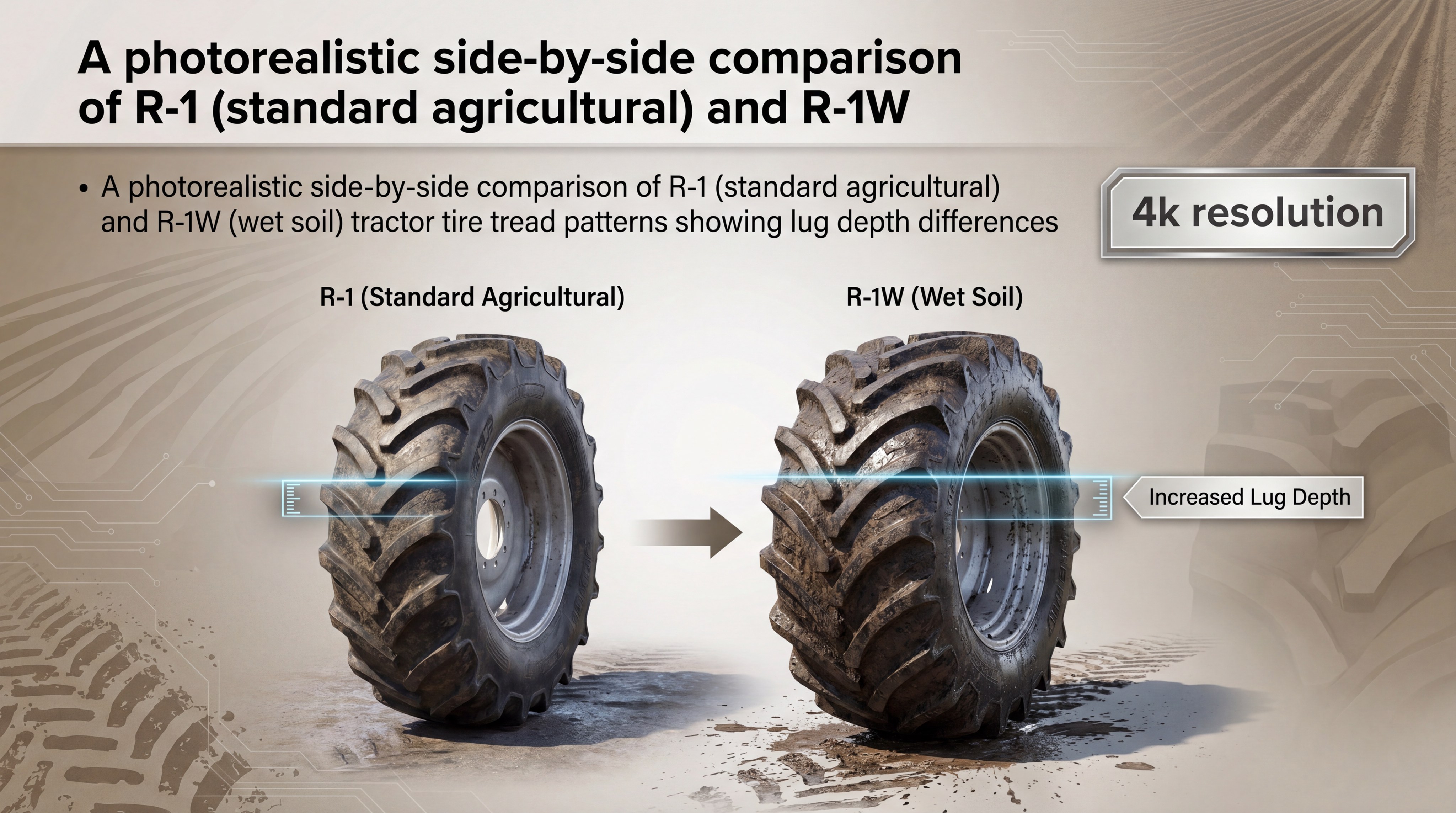
Your specific terrain and typical rainfall patterns determine which tread pattern is best for your tractor tires to ensure maximum efficiency. Selecting the right tractor tires requires an analysis of whether you need standard lugs or a 20% increase in lug height for wet soil conditions.
Understanding R-1 and R-1W standards
The standard R-1 design is the most common choice for general farming operations in dry or semi-dry fields. Here is the catch: if your farm experiences high rainfall, the R-1W variant offers deeper lugs that provide superior grip in mud.
- R-1: Ideal for general tillable soil.
- R-1W: 20% deeper lugs for wet environments.
- Lug Angles: Typically range between 23 and 45 degrees.
The versatility of multi-purpose treads
Multi-purpose treads are engineered for fleets that must transition between soft fields and hard road surfaces frequently. These hybrid designs balance the aggressive traction of field tires with the durability required for transport tasks.
Key Takeaway: Selecting a tread pattern based on your most frequent soil condition prevents premature wear and maximizes field efficiency.
| Tread Type | Primary Application | Key Benefit | |
|---|---|---|---|
| R-1 | General Farming | Balanced traction/wear | |
| R-1W | Wet Row Crops | 20% deeper lugs for mud | |
| Multi-Purpose | Mixed Environments | High versatility |
Identify your primary terrain first to avoid selecting a tread that compromises your tractor’s power transfer.
Are R-1 or R-2 tractor tires better for your soil?
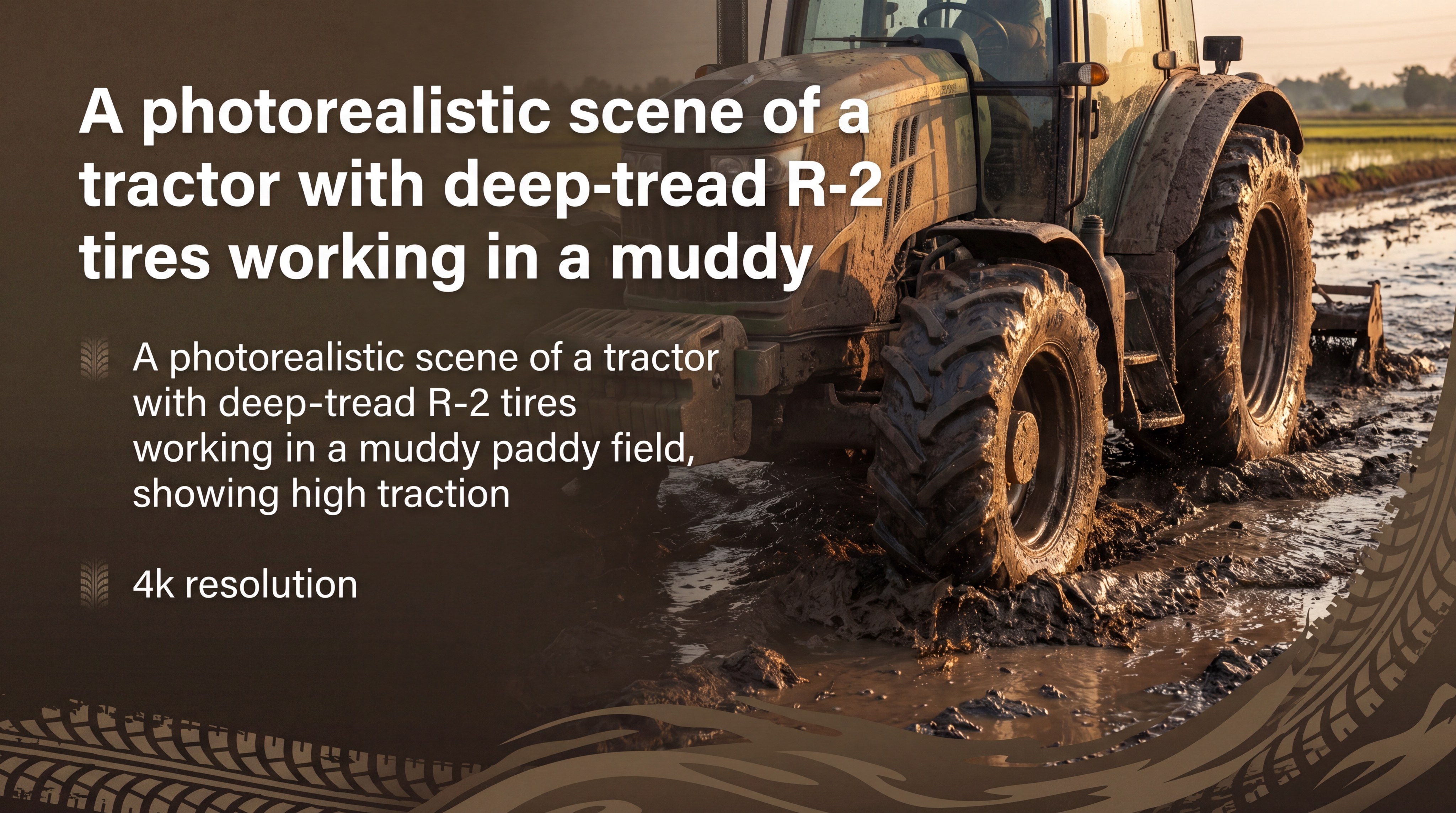
The choice between R-1 and R-2 tractor tires depends entirely on whether you are working on tillable dry land or submerged, high-viscosity paddy fields. While R-1 tires offer a flat tread for comfort on firm soil, R-2 tires are essential when your machinery must penetrate deep mud to find traction.
Maximizing traction in dry land operations
Flat treads are preferred for dry land because they distribute ground pressure more uniformly across the soil surface. This configuration ensures that your tractor maintains a high level of ride comfort while delivering efficient power to the ground.
- Flat Tread: Prevents excessive soil compaction.
- Uniform Pressure: Leads to better fuel economy on firm soil.
- Abrasion Resistance: Higher on hard, dry surfaces.
Solving the paddy field challenge
R-2 tires are specifically designed for rice and sugarcane fields where waterlogged conditions are the norm. The lug depth of an R-2 tire is twice that of an R-1, which prevents the tractor from spinning out in heavy mud.
Key Takeaway: Using dry-land tires in a paddy field leads to excessive slippage, while deep-tread tires on dry land cause unnecessary vibration.
| Condition | Recommended Tire | Traction Mechanism | |
|---|---|---|---|
| Dry/Semi-Dry | R-1 / Flat Tread | Surface grip & ride comfort | |
| Waterlogged/Paddy | R-2 / Deep Tread | Penetrates mud to subsoil |
Match your tire’s lug depth to your soil’s moisture level to maintain consistent propulsion throughout the season.
Do you need turf or industrial tractor tires?
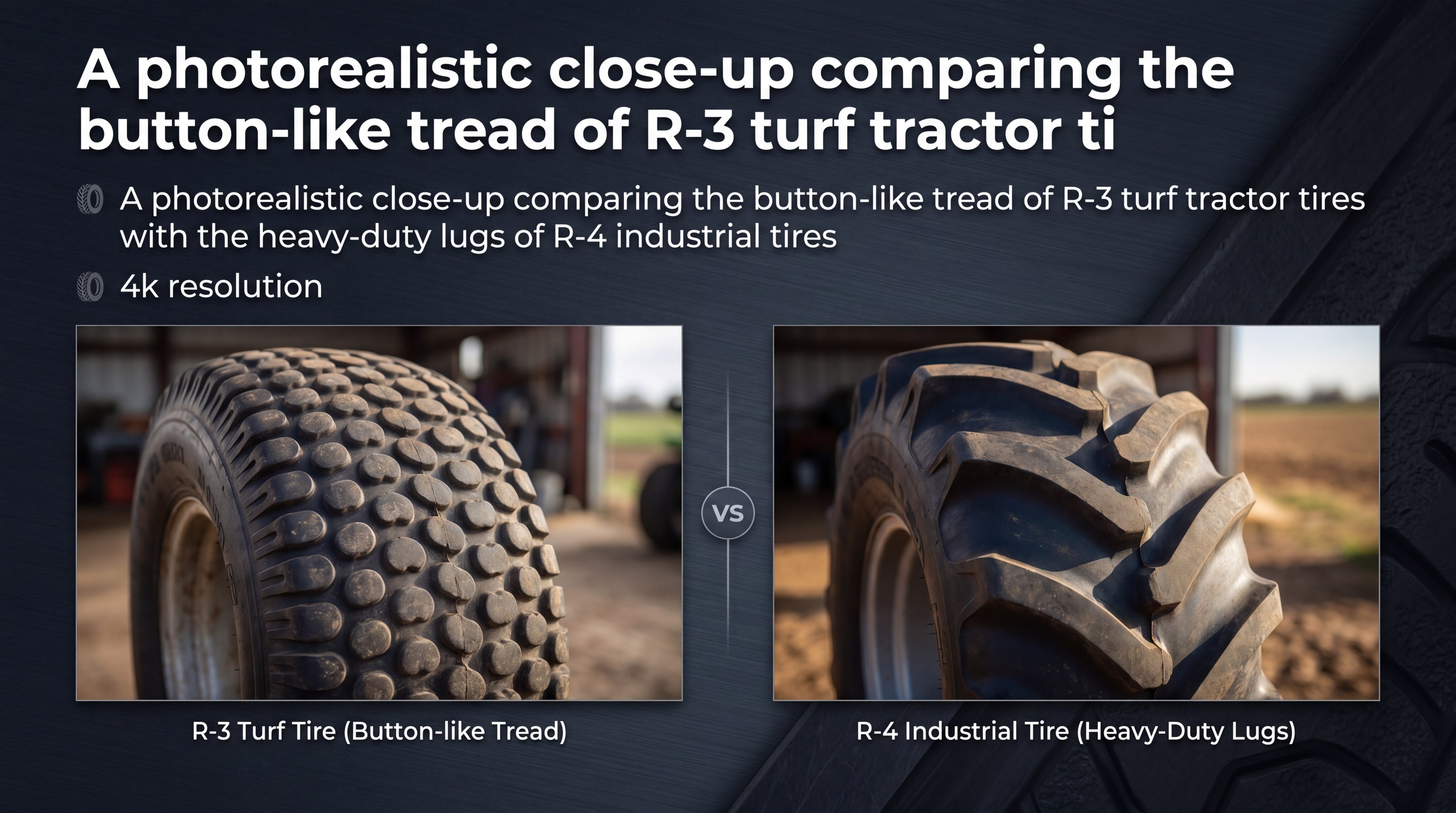
You should choose R-3 turf tires for surface protection or R-4 industrial tractor tires for durability on paved surfaces depending on your workspace. Finding the right tractor tires for specialty applications ensures that you do not damage sensitive grass or wear out your rubber prematurely on concrete.
Protecting your soil with R-3 turf designs
The R-3 turf tire is designed with a button-like profile that allows it to float over grass without cutting into the root structure. This is the optimal choice for golf courses, cemeteries, and hayfields where ground integrity is a top priority.
- Flotation: Minimizes rutting and soil disturbance.
- Button Tread: Distributes weight without aggressive biting.
- Application: Perfect for pastures and landscaping.
The durability of R-4 industrial tires
If your equipment frequently traverses asphalt or gravel, the harder rubber compounds of R-4 industrial tires are mandatory. These tires offer high puncture resistance and are standard for loaders and utility tractors used in construction or roadwork.
Key Takeaway: Match the tire compound to the surface hardness to avoid rapid tread loss on pavement or turf destruction.
| Specialty Tire | Best For | Surface Interaction | |
|---|---|---|---|
| R-3 (Turf) | Golf courses/Pastures | High flotation, no cutting | |
| R-4 (Industrial) | Roadwork/Loaders | High puncture/wear resistance |
Evaluate how much time your machinery spends on pavement versus soft soil to choose the most cost-effective compound.
Should you choose radial or bias tractor tires?
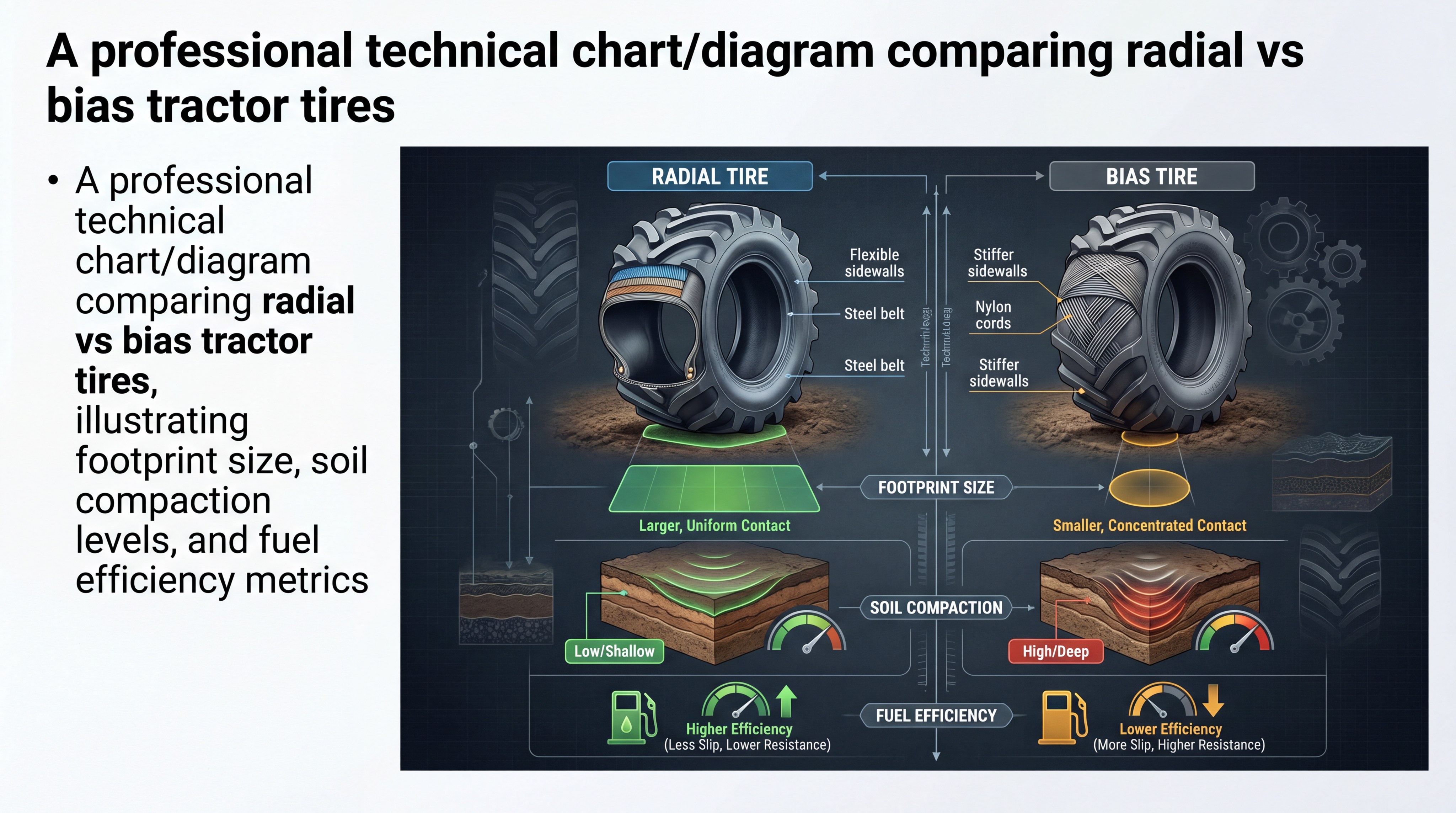
Radial tractor tires are the superior choice for high-hour machinery due to their fuel efficiency, while bias tires remain a budget-friendly option for light-duty applications. The construction of the tire acts as its “skeleton,” determining how the footprint interacts with the ground and how much fuel is required to move.
The fuel efficiency of radial construction
Radial tires feature sidewalls that move independently from the tread, creating a larger and more uniform footprint. This technology significantly reduces rolling resistance, which allows more horsepower to reach the ground while burning less fuel.
- Large Footprint: Reduces soil compaction significantly.
- Independent Movement: Provides a smoother ride and better traction.
- Longevity: Generally outlasts bias tires in high-stress field work.
When is bias construction economical?
Bias tires use older technology with stiff sidewalls that offer excellent stability for stationary loader work. They are often more affordable upfront, making them a viable choice for tractors that only see limited seasonal use.
Key Takeaway: For high-hour machinery, the ROI of radial tires is usually realized within the first year through fuel savings.
| Feature | Radial Construction | Bias Construction | |
|---|---|---|---|
| Footprint | Large & Uniform | Small & Rounded | |
| Soil Compaction | Low | Moderate to High | |
| Fuel Savings | Significant (10-15%) | Baseline |
Consider your annual operating hours when deciding if the upfront cost of radials justifies the long-term fuel savings.
How does width affect your tractor tires’ performance?
Wider tractor tires are better for reducing soil compaction in soft fields, whereas narrow tires are more efficient for reducing drag on hard, dry ground. Selecting the right tractor tires involves a strategic trade-off between flotation and frictional resistance.
Reducing compaction with wide tires
In soft or uncompacted fields, wide tires distribute the tractor’s weight over a larger surface area. This protecting the health of your soil and prevents the formation of a “hardpan” layer that can stifle crop growth.
- Increased Flotation: Keeps the tractor from sinking in mud.
- Soil Protection: Essential for protecting long-term field productivity.
- Lateral Stability: Improves safety when working on steep slopes.
The benefits of narrow configurations
Narrow tires are ideal when you are operating on dry, firm ground where flotation is not a concern. By reducing the footprint, you decrease frictional drag and allow the tractor to move more freely, which saves fuel during transport.
Key Takeaway: Tire width is a trade-off between flotation and drag; choose based on the moisture content of your primary workspace.
| Tire Width | Soil Condition | Operational Impact | |
|---|---|---|---|
| Wide | Soft/Saturated | Reduced vertical deformation | |
| Narrow | Dry/Firm | Lower rolling resistance |
Analyze your soil’s moisture levels throughout the growing season to determine if a wide or narrow configuration is most beneficial.
Why does diameter matter for your tractor tires?
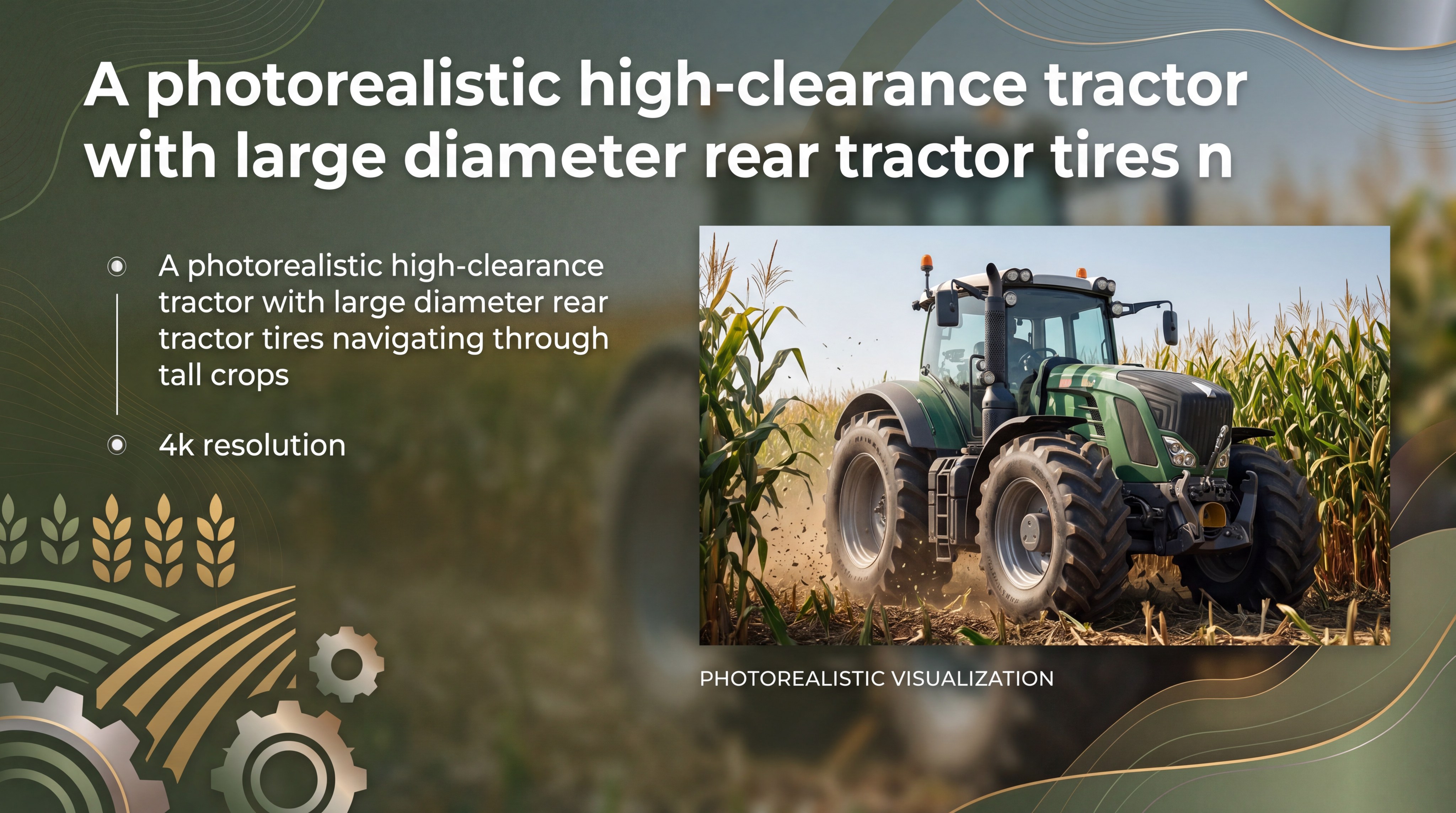
Large diameter tractor tires provide the ground clearance necessary for tall crops, while smaller diameters improve the agility and turning radius of your machinery. Diameter isn’t just about fitting the wheel; it dictates how your tractor navigates complex farm layouts and different crop stages.
Increasing clearance with large diameters
Large tires increase the contact area and provide the “headroom” required to drive over tall crops like corn or sorghum without causing damage. This extra clearance also helps the tractor glide over uneven terrain or deep ruts without bottoming out.
- High Clearance: Critical for post-emergence crop maintenance.
- Improved Flotation: Large diameters sink less in soft soil.
- Traction: Provides more surface area for the lugs to bite.
Improving agility with small sizes
Smaller front tires allow for a much tighter turning radius, which is essential if you operate in confined spaces. This agility is critical for work inside livestock barns, greenhouses, or loading zones where space is at a premium.
Key Takeaway: Diameter dictates the tractor’s ability to navigate specific crop stages and tight farm layouts efficiently.
| Diameter Size | Primary Benefit | Best Environment | |
|---|---|---|---|
| Large | High ground clearance | Tall crops/Uneven fields | |
| Small | Enhanced maneuverability | Confined spaces/Greenhouses |
Balance your need for crop clearance against the space constraints of your farm’s infrastructure.
What makes paddy field tractor tires unique?
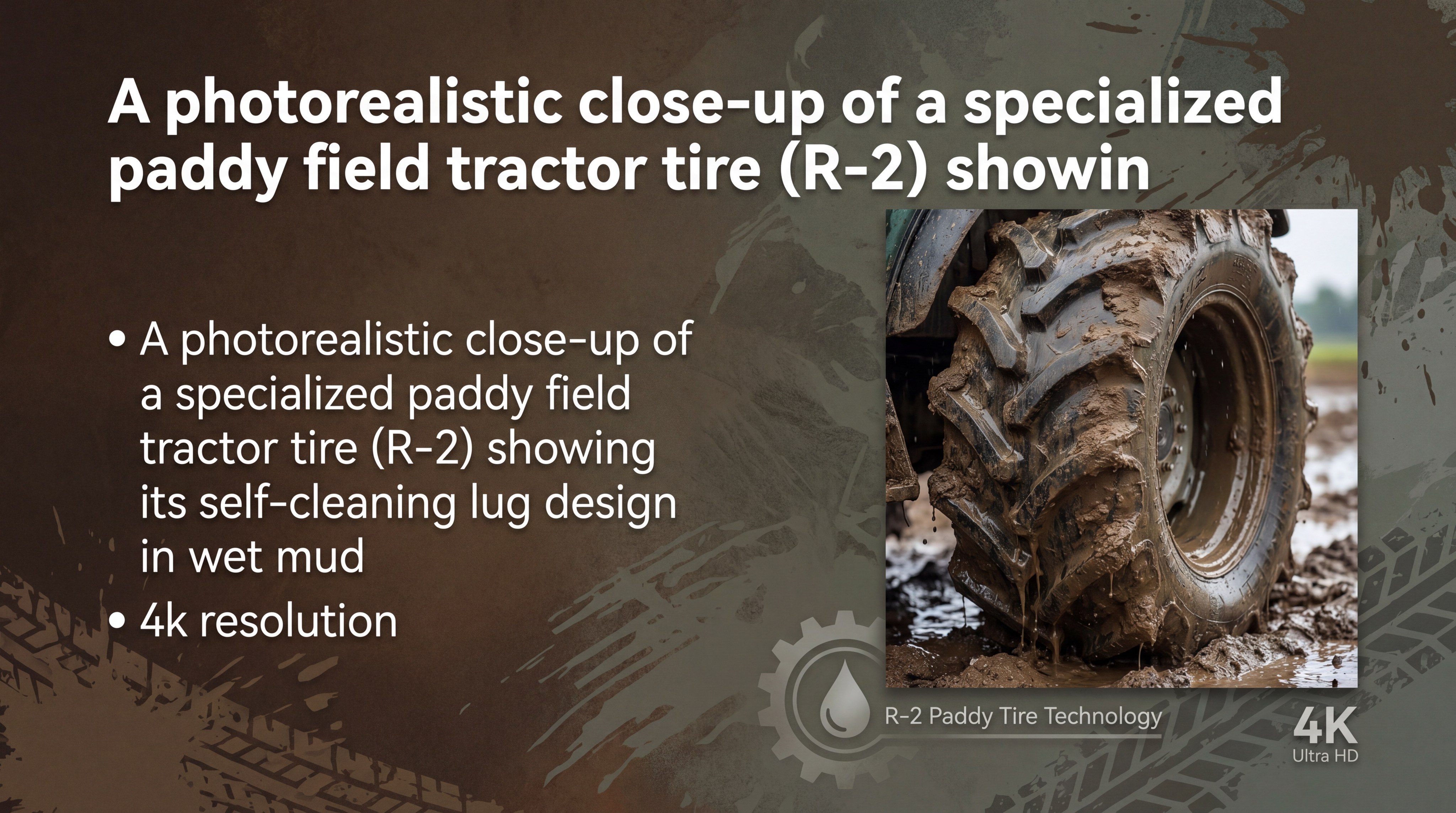
Unique paddy field tractor tires feature ultra-deep R-2 treads and reinforced casings to survive submerged environments and resist punctures from hidden stubble. High-performance tractor tires for these conditions must maintain constant propulsion in mud that would leave standard tires spinning helplessly.
Technical specs for R-2 deep treads
The lugs on these specialized tires are twice as deep as standard agricultural designs, allowing them to reach the firmer subsoil beneath the mud. Here is the catch: they must also be built with reinforced rubber to handle the extreme lateral stress of muddy work.
- Ultra-Deep Lugs: Essential for rice and sugarcane farming.
- Reinforced Base: Protects against sharp crop stalks underwater.
- Mud Penetration: Reaches stable soil for consistent grip.
Improving self-cleaning in mud
A wide lug configuration is the most important feature for a paddy tire to ensure it sheds mud naturally as it rotates. Without effective self-cleaning, the tire becomes a smooth “slick” and loses all ability to move the tractor forward.
Key Takeaway: Paddy field tires require a specific balance of depth and self-cleaning ability that standard agricultural tires cannot replicate.
| Feature | Requirement | Benefit | |
|---|---|---|---|
| Lug Height | 2x Standard | Maximum mud penetration | |
| Casing | Reinforced | Puncture protection | |
| Lug Gap | Wide | Natural mud shedding |
Verify that your paddy tires have a wide enough gap between lugs to prevent mud from clogging the tread.
How do you evaluate tractor tires for fuel savings?
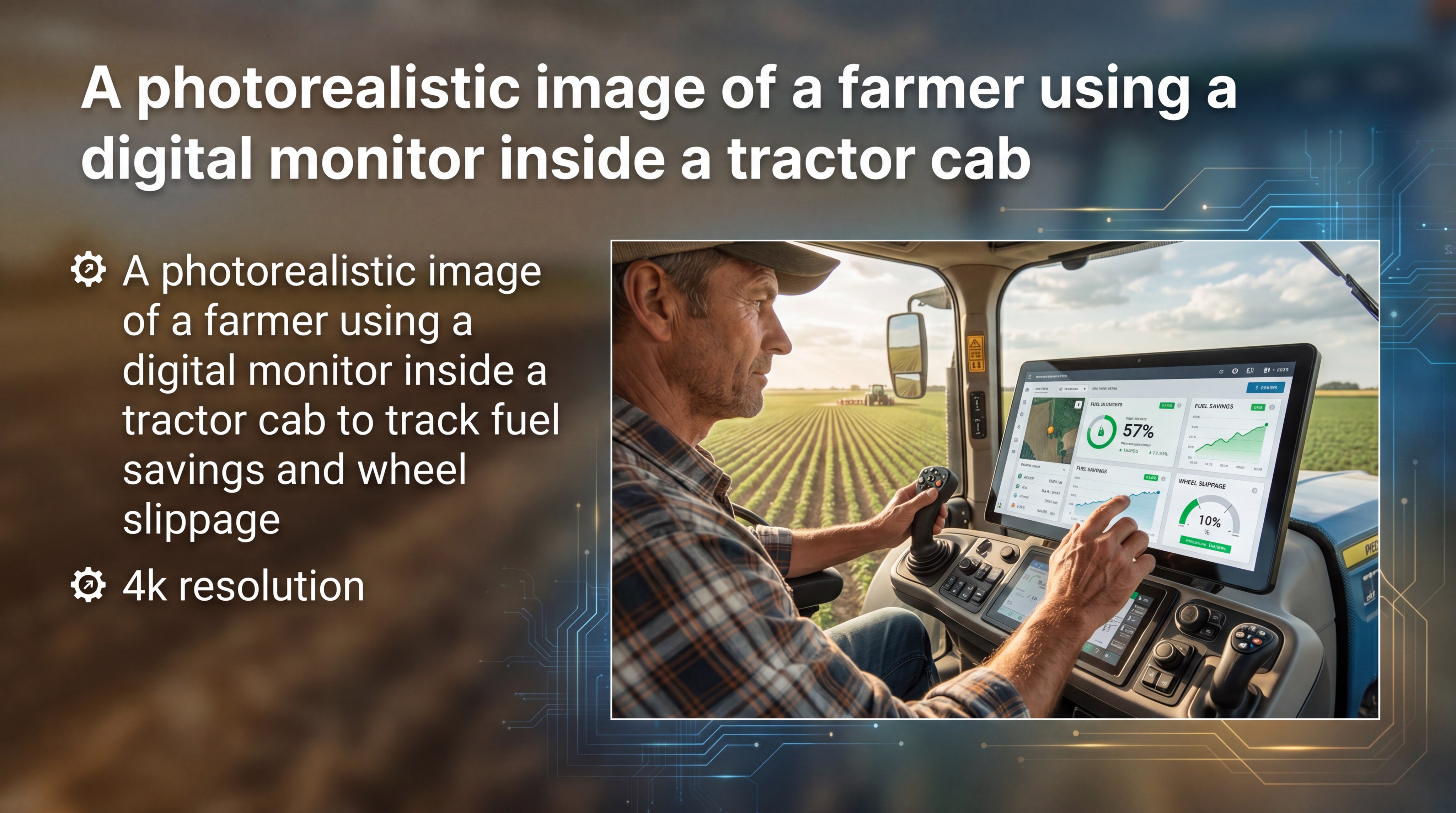
Evaluating tractor tires for fuel savings requires looking at rolling resistance metrics and the efficiency of the lug geometry to minimize wheel slippage. If your tires aren’t biting into the soil efficiently, you are essentially burning expensive fuel to turn wheels that aren’t moving the machine.
Assessing rolling resistance metrics
Rolling resistance is the energy required to deform the tire and move it across the ground. Lower rolling resistance, typically found in radial designs, directly reduces your operational overhead and increases your profit margins.
- Radial Advantage: Saves 10-15% in fuel compared to bias.
- Inflation Impact: Proper PSI keeps rolling resistance low.
- Footprint Shape: Uniform pressure leads to higher efficiency.
The impact of lug geometry on slippage
The angle and spacing of your tire’s lugs dictate how much “bite” you get in the field. Ideally, your tractor should maintain a slippage rate between 5% and 15% for maximum fuel efficiency and power transfer.
Key Takeaway: Fuel efficiency is the sum of proper construction, optimized tread geometry, and the right footprint for the soil.
| Factor | High Efficiency | Low Efficiency | |
|---|---|---|---|
| Construction | Radial | Bias | |
| Slippage Rate | 5-15% | >20% | |
| Soil Interaction | Uniform Pressure | Point Pressure |
Monitor your wheel slippage rates during heavy pulling tasks to ensure you aren’t wasting fuel through excessive spinning.
Can you extend the lifespan of your tractor tires?
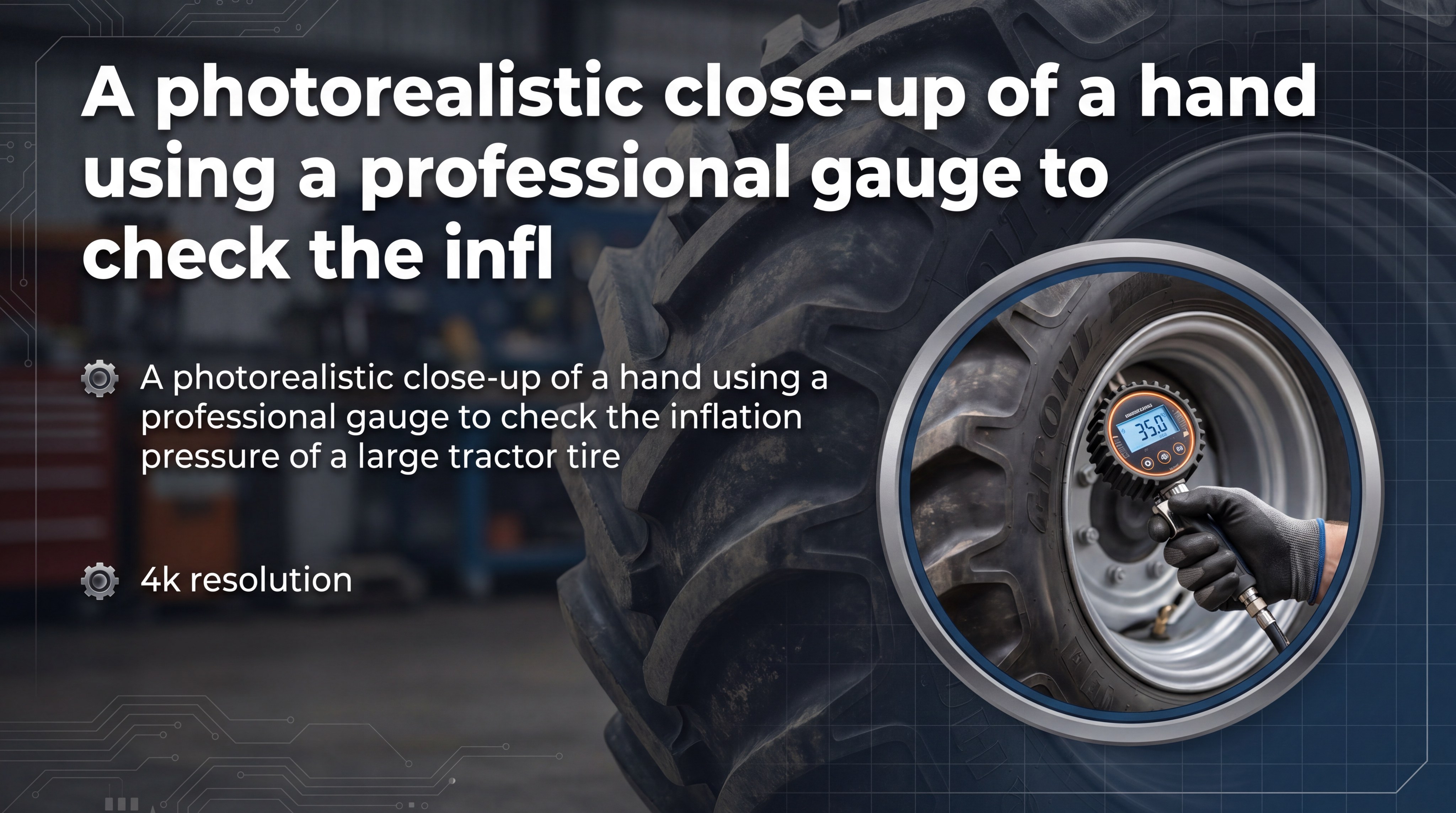
You can significantly extend the lifespan of your tractor tires by maintaining correct inflation pressures and protecting the rubber from UV exposure during the off-season. Quality tractor tires are a major investment, and proactive maintenance can increase their service life by up to 25%.
Managing inflation pressure correctly
Operating at the wrong PSI is the fastest way to cause irregular wear and internal damage to the tire casing. You must adjust your pressure based on whether you are carrying a heavy load in the field or traveling at high speeds on the road.
- Field Pressure: Lower PSI for a larger footprint and less compaction.
- Road Pressure: Higher PSI to prevent heat buildup and sidewall flex.
- Weekly Checks: Use a professional gauge to ensure accuracy.
Storage tips to prevent dry rot
When your tractor is idle, UV rays and temperature fluctuations can cause the rubber to crack and degrade. Here is the catch: storing your tires in a cool, dry place away from direct sunlight prevents the “dry rot” that kills tires prematurely.
Key Takeaway: Proactive maintenance and correct inflation can extend the service life of your tires by up to 25%.
| Maintenance Task | Frequency | Expected Result | |
|---|---|---|---|
| Pressure Check | Weekly/Before Use | Uniform wear, fuel savings | |
| Visual Inspection | Monthly | Early detection of cracks | |
| UV Protection | During Off-Season | Prevention of dry rot |
Invest in a high-quality tire gauge and make pressure checks a mandatory part of your pre-operation routine.
Where should you buy professional tractor tires?
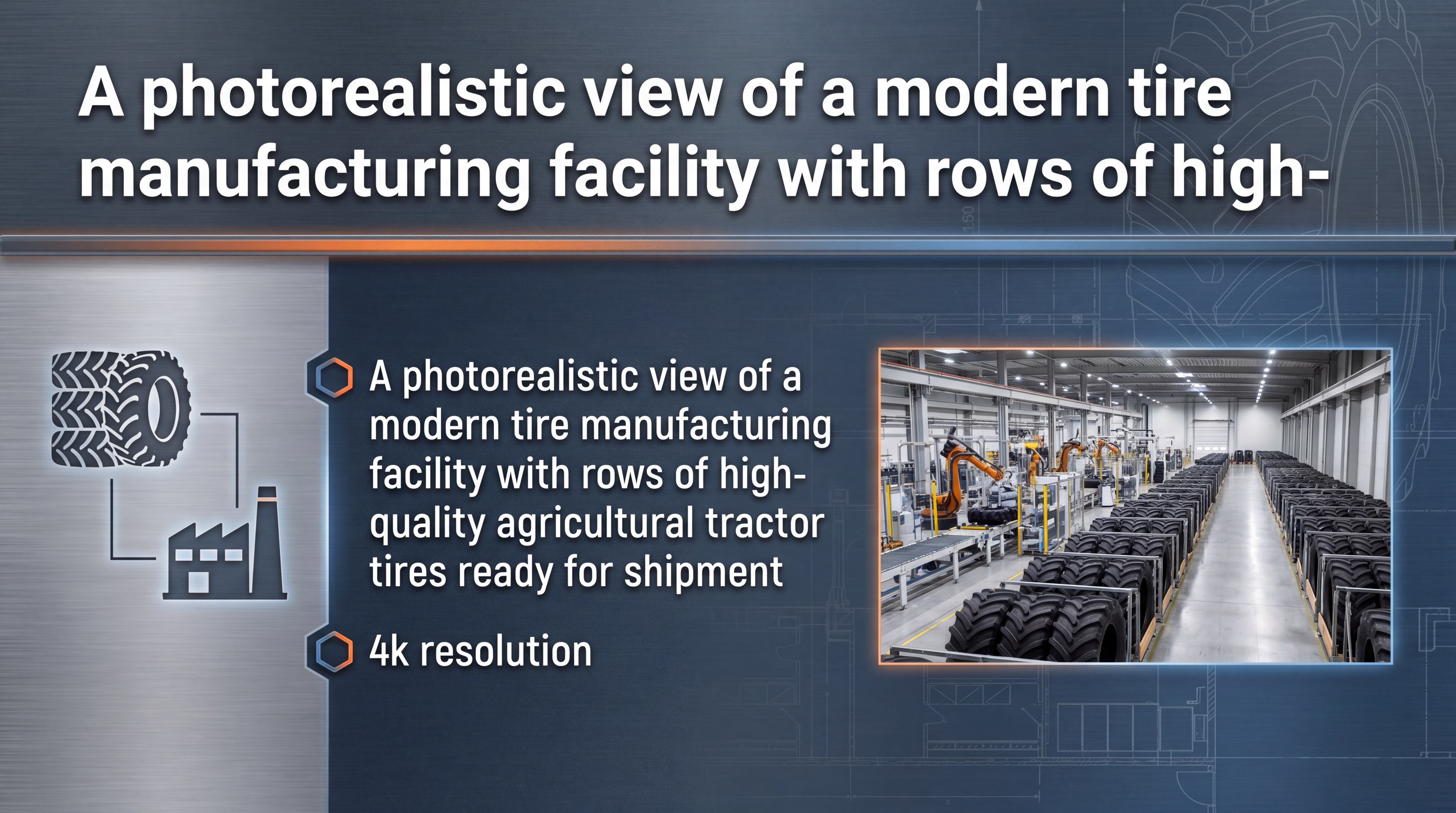
You should buy professional tractor tires from manufacturers that adhere to ISO certifications and offer a wide variety of specialized sizes and tread patterns. OEM standards ensure that the tire meets the original engineering specifications of your tractor, guaranteeing safety and performance.
Evaluating OEM manufacturer standards
Reliable manufacturers provide industrial-grade durability and a history of global exports. Looking for certification ensures that the tires have been tested for load ratings and safety standards that protect both the operator and the machine.
- ISO Certification: A global benchmark for quality and safety.
- OEM Compatibility: Guarantees a perfect fit for your specific model.
- Load Ratings: Ensures the tire can handle your heaviest implements.
Finding customized tire solutions
Every farm has unique requirements, so it is vital to partner with a supplier that offers a deep catalog of over 200 sizes. This variety allows you to fine-tune your fleet for maximum productivity and profit in your specific local environment.
Key Takeaway: Sourcing from a specialized manufacturer ensures you get industrial-grade durability tailored to agricultural realities.
| Vendor Criteria | Why It Matters | |
|---|---|---|
| Certification | Guaranteed safety and load ratings | |
| Size Variety | Perfect fit for specific implements | |
| Lead Time | Minimizes downtime during peak seasons |
Prioritize vendors who offer technical support to help you match the right tire to your soil type.
Frequently Asked Questions
Can I mix radial and bias tires on the same tractor?No, it is not recommended because mixing constructions on the same axle causes uneven handling and can damage the drivetrain components.
What’s the best tire for both field and road use?It depends on your primary workspace, but multi-purpose R-4 or hybrid radial tires generally offer the best balance of field traction and road durability.
How much fuel can I save by switching to radial tires?Significant savings are possible, with most farmers seeing a 10% to 15% reduction in fuel consumption due to better traction and lower rolling resistance.
Why does tire pressure need to change for road travel?Higher pressure is required for the road to handle the weight at higher speeds and to reduce the heat buildup that causes rubber degradation.
Are deep-tread R-2 tires suitable for dry land farming?No, while they will work, they are highly inefficient on dry ground, causing excessive vibration and much faster tread wear than R-1 tires.
Conclusion
Choosing the right farm tractor tires is a strategic decision that directly impacts soil health, fuel consumption, and your overall profit margins. By matching tread patterns to your terrain and opting for modern radial construction, you solve the problems of soil compaction and high operational costs. Our brand vision is to provide industrial-grade durability that empowers your farm to reach peak efficiency. Whether you are navigating muddy paddies or dry fields, we can help you find the perfect fit. Contact us today for expert guidance on selecting the best tractor tires for your fleet.