A tire pre shipment inspection is a mandatory quality control process conducted before goods leave the factory to ensure products meet safety, dimensional, and structural specifications. Importing bulk rubber products from overseas often involves high capital risks and the potential for receiving defective inventory that can ruin your reputation. Without a rigorous verification process, you may face significant financial losses, shipping delays, and dangerous safety liabilities. Our comprehensive tire pre shipment inspection services eliminate these uncertainties by providing on-site verification and detailed reporting before you release the final payment.
What is a tire pre shipment inspection?
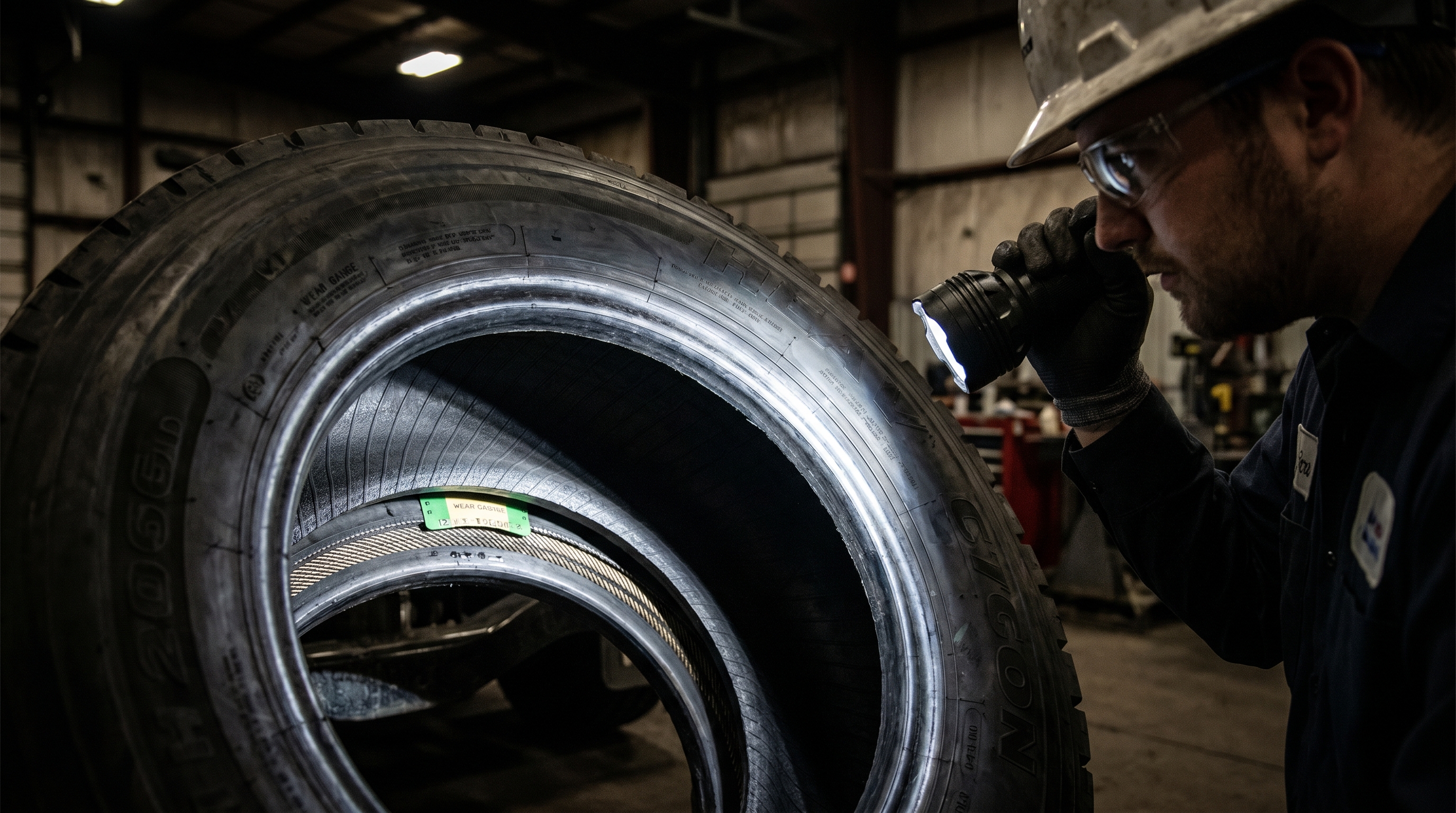
A tire pre shipment inspection (PSI) is a systematic evaluation of a production batch performed at the manufacturer’s facility once the order is at least 80% completed. This procedure validates that the manufactured goods align perfectly with the technical requirements and quality standards defined in your purchase contract.
Can you define the inspection scope?
The scope of a PSI covers everything from quantity verification to material composition and branding accuracy. You need to ensure that the factory hasn’t cut corners during the mass production phase.
Think about this: How often do manufacturers substitute materials when they think no one is watching?
- Verification of total unit counts.
- Check for correct branding and logos.
- Assessment of packaging and palletizing.
Key Takeaway: Defining a clear scope prevents the factory from overlooking critical branding details or quantity discrepancies during the final stages of the supply chain.
| Scope Element | Requirement | Verification Method | |
|---|---|---|---|
| Quantity | 100% Match to PO | Physical Count | |
| Branding | Sidewall Embossing | Visual Reference | |
| Packaging | Seaworthy Pallets | Stress Testing |
Guide: Use this table to cross-reference your purchase order against the actual factory output during the site visit.
Why is tire pre shipment inspection vital for safety?
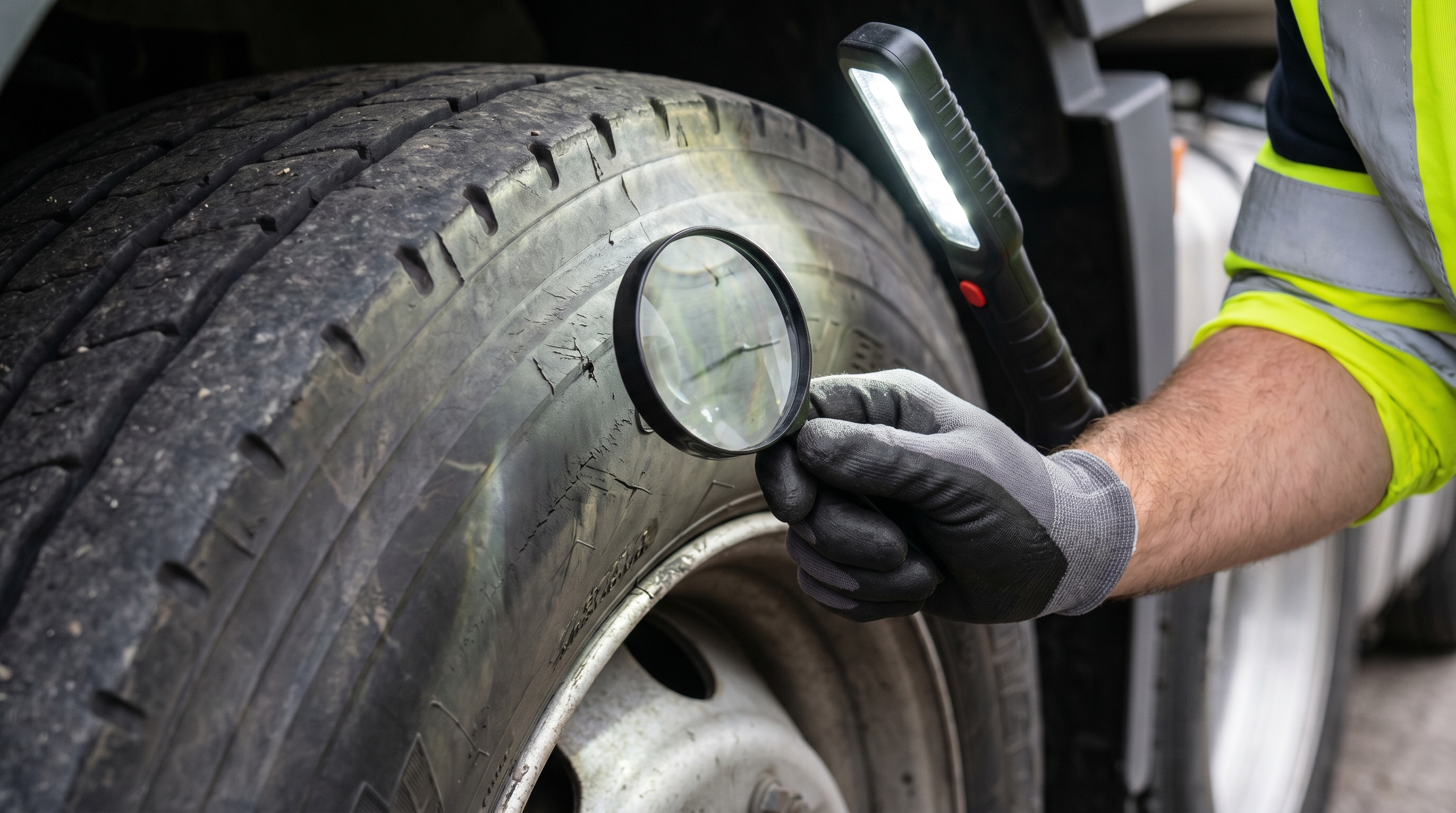
A tire pre shipment inspection is essential for safety because it identifies manufacturing defects like bubbles, air inclusions, or incorrect rubber compounds that could lead to catastrophic blowouts. High-speed and heavy-load tires must adhere to strict regulatory codes to ensure the safety of the end-user and the integrity of the vehicle.
Are regulatory codes checked?
Regulatory compliance, such as DOT or E-Mark codes, is a primary focus during this phase of the quality check. You must verify that these codes are permanently and correctly embossed on every sidewall.
Believe it or not: Small errors in DOT codes can lead to entire shipments being seized at customs.
- Verification of manufacturing date codes.
- Checking for mandatory safety symbols.
- Confirming load and speed index ratings.
Key Takeaway: Safety verification ensures your products are legally compliant and physically capable of handling the intended operational stresses.
| Safety Marker | Standard | Check Frequency | |
|---|---|---|---|
| Date Code | Recent Production | Every Sample | |
| Load Index | Rated Capacity | Random Batch | |
| DOT/E-Mark | Legally Clear | 100% Visual |
Guide: Ensure your inspector documents the date codes to prevent receiving “old-new” stock that has degraded in storage.
How is tire pre shipment inspection documentation managed?
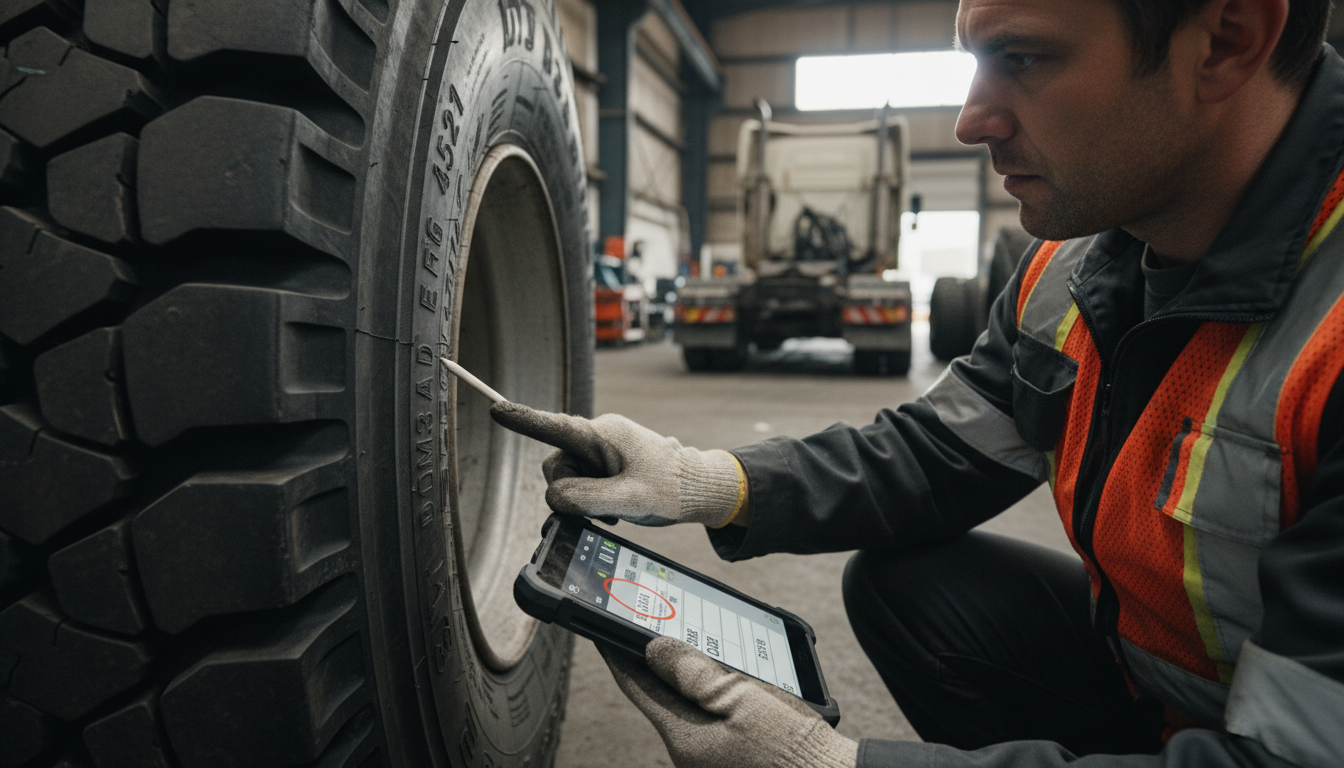
Effective tire pre shipment inspection documentation involves the systematic recording of test results, photos, and compliance certificates into a centralized report for your review. This paper trail serves as your legal protection and proof of quality for customs authorities and insurance providers.
Is the paper trail comprehensive?
The documentation should include raw material certificates, internal lab results, and the third-party inspector’s findings. You want a clear link between the production batch and the final test results.
The truth is: Without a signed inspection report, you have zero leverage if the quality fails after arrival.
- Collection of material safety data sheets.
- Archiving of production line logs.
- Standardization of inspection certificates.
Key Takeaway: Proper documentation management creates an audit trail that simplifies customs clearance and settles potential quality disputes.
| Document Type | Source | Purpose | |
|---|---|---|---|
| Test Report | Inspector | Quality Proof | |
| Packing List | Factory | Logistics Detail | |
| PSI Certificate | Agency | Customs Clearance |
Guide: Review these documents for consistency to avoid discrepancies that could lead to shipping delays or fines.
Who performs a tire pre shipment inspection effectively?
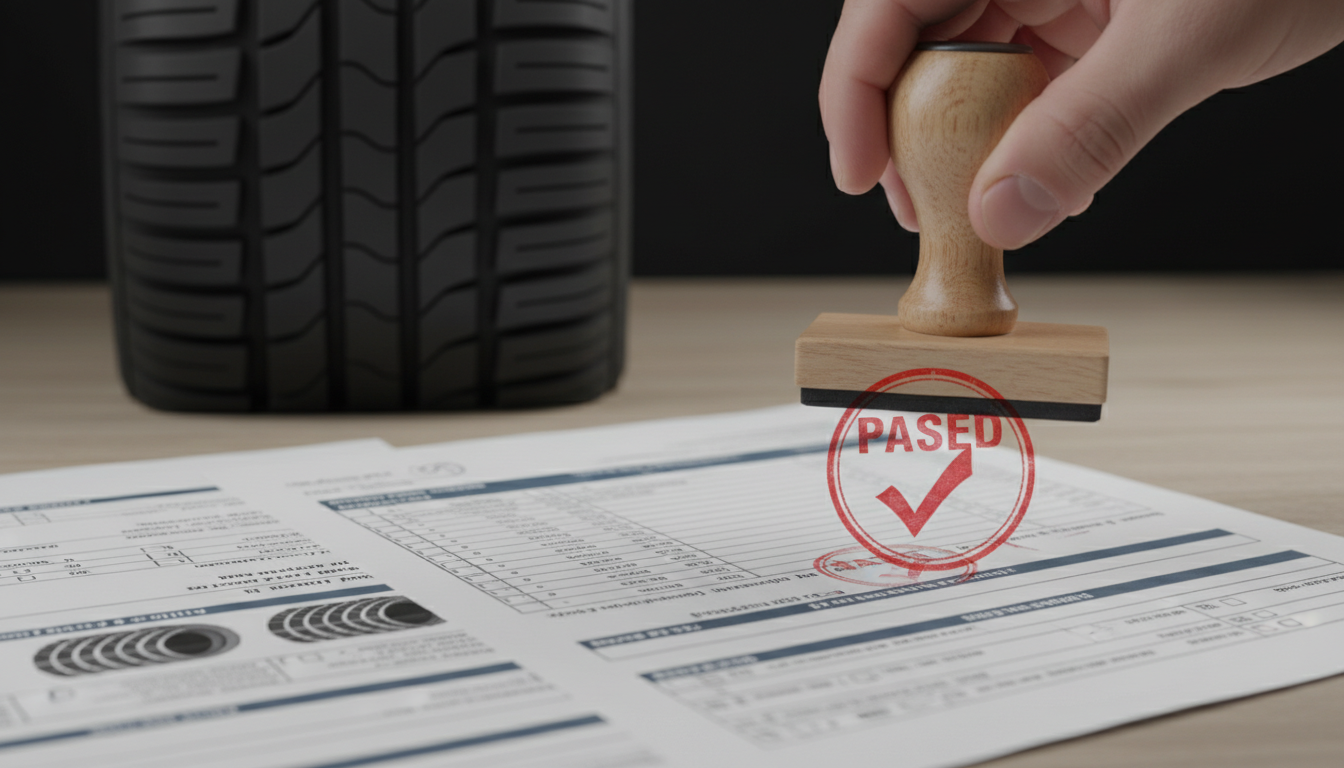
A professional tire pre shipment inspection is performed by qualified third-party agencies or internal quality control teams who have specialized knowledge of rubber manufacturing. These experts use standardized checklists to ensure that the factory’s output meets international benchmarks and your specific project requirements.
Why use third-party inspectors?
Third-party inspectors provide an unbiased view of the production quality, free from the factory’s internal pressures. You benefit from their specialized tools and experience in identifying subtle manufacturing flaws.
Here is the kicker: Factory-led QC often overlooks minor defects to meet shipping deadlines.
- Certification in ISO quality standards.
- Knowledge of local export laws.
- Equipment for precision measurement.
Key Takeaway: Utilizing independent experts guarantees an objective assessment of your goods, protecting your investment from biased reporting.
| Inspector Type | Pro | Con | |
|---|---|---|---|
| Third-Party | Unbiased Report | Additional Cost | |
| Factory QC | Cost Effective | High Bias Risk | |
| Client Team | Direct Control | High Travel Cost |
Guide: Evaluate the cost of inspection against the potential loss of an entire container to determine the best partner.
What occurs during tire pre shipment inspection testing?
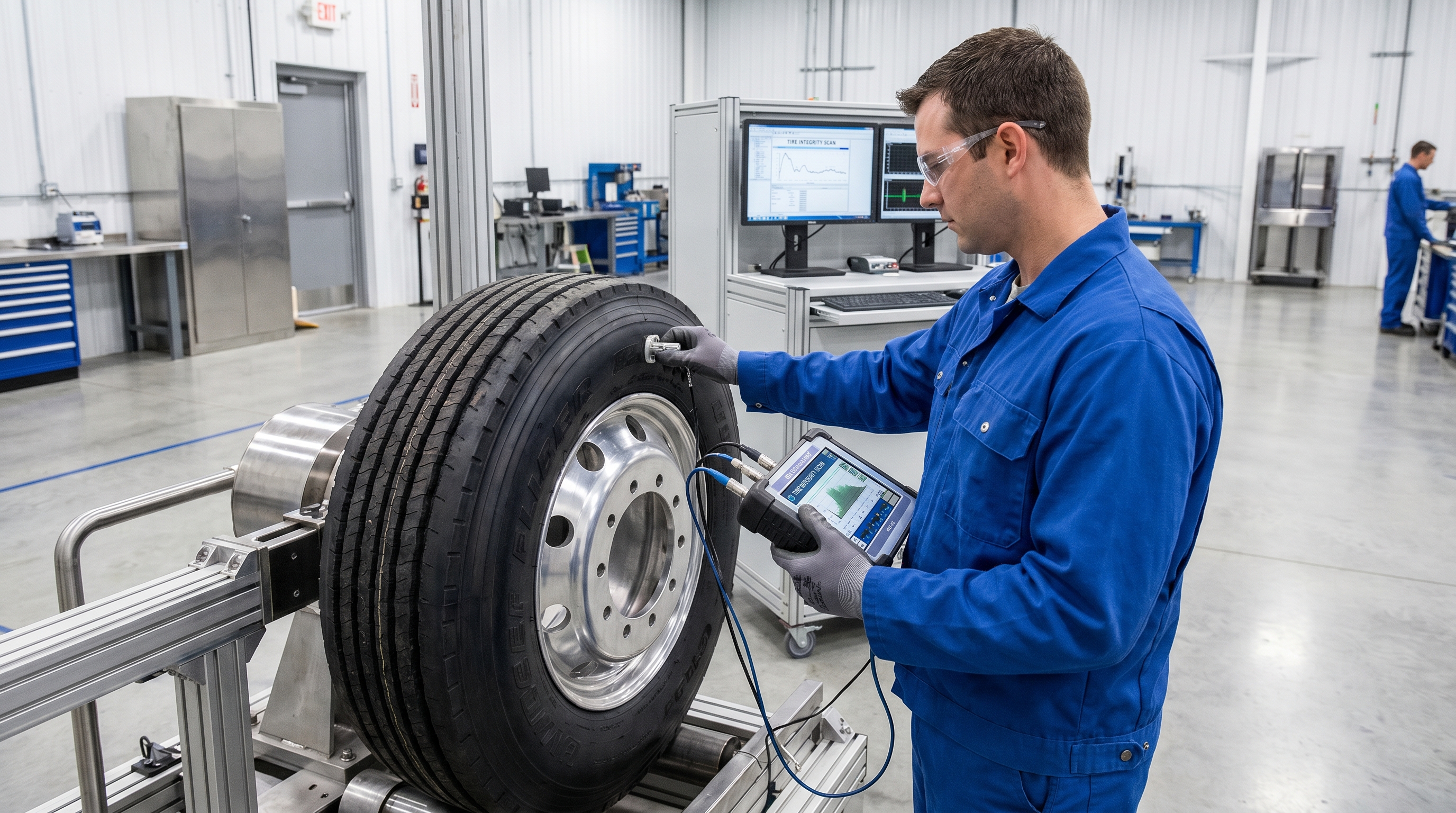
During a tire pre shipment inspection, various physical tests are conducted, including bead seating, air pressure retention, and balance checks. These tests verify the structural integrity of the rubber and its ability to function under real-world conditions without failure.
Is structural testing thorough?
Structural tests check for internal flaws that are not visible to the naked eye, such as ply separation or belt misalignments. You need to know that the internal architecture of the tire is sound.
It gets better: Non-destructive testing can identify air pockets that would otherwise cause a blowout.
- Air pressure leak tests.
- Static and dynamic balancing.
- Bead endurance evaluations.
Key Takeaway: Physical testing is the only way to confirm that the hidden components of the product meet high-performance standards.
| Test Category | Methodology | Passing Criteria | |
|---|---|---|---|
| Inflation | Pressure Gauge | Zero Drop / 24H | |
| Balancing | Spin Test | Within Weight Tol. | |
| Bead Fit | Rim Mounting | Flush Seating |
Guide: Ask for video evidence of these tests to verify they were actually performed on your batch.
Does tire pre shipment inspection cover sidewall damage?
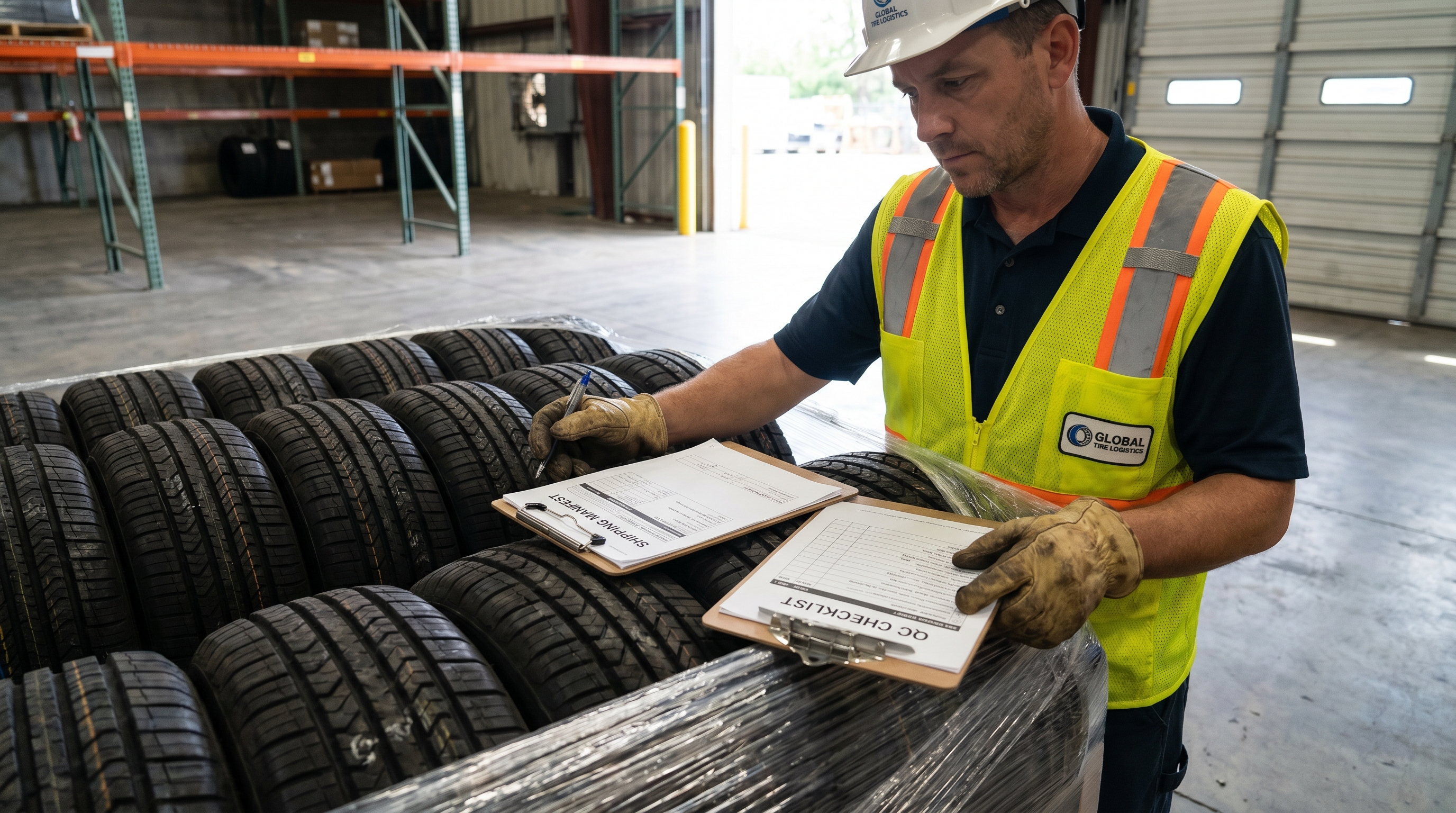
A tire pre shipment inspection specifically targets sidewall integrity to look for cracks, bulges, or thinning areas that compromise the casing. The sidewall is the most vulnerable part of the product, and any visual or structural defect here is cause for immediate rejection.
How are visual defects identified?
Visual inspection involves checking the entire surface under high-intensity lighting for any signs of mold flash or surface contamination. You must ensure the sidewall is smooth and free from any repair marks.
The bottom line: A single sidewall bulge often indicates a major internal carcass failure.
- Inspection for cosmetic blemishes.
- Checking for rubber “blooming” or oxidation.
- Verification of text clarity.
Key Takeaway: Sidewall scrutiny prevents the importation of structurally compromised units that could lead to liability issues.
| Defect Type | Severity | Action | |
|---|---|---|---|
| Sidewall Bulge | Critical | Reject Unit | |
| Flash Residue | Minor | Clean / Accept | |
| Text Smearing | Major | Correct Mold |
Guide: Use high-resolution photos in your report to document every minor blemish for future quality improvements.
How does tire pre shipment inspection verify tread?
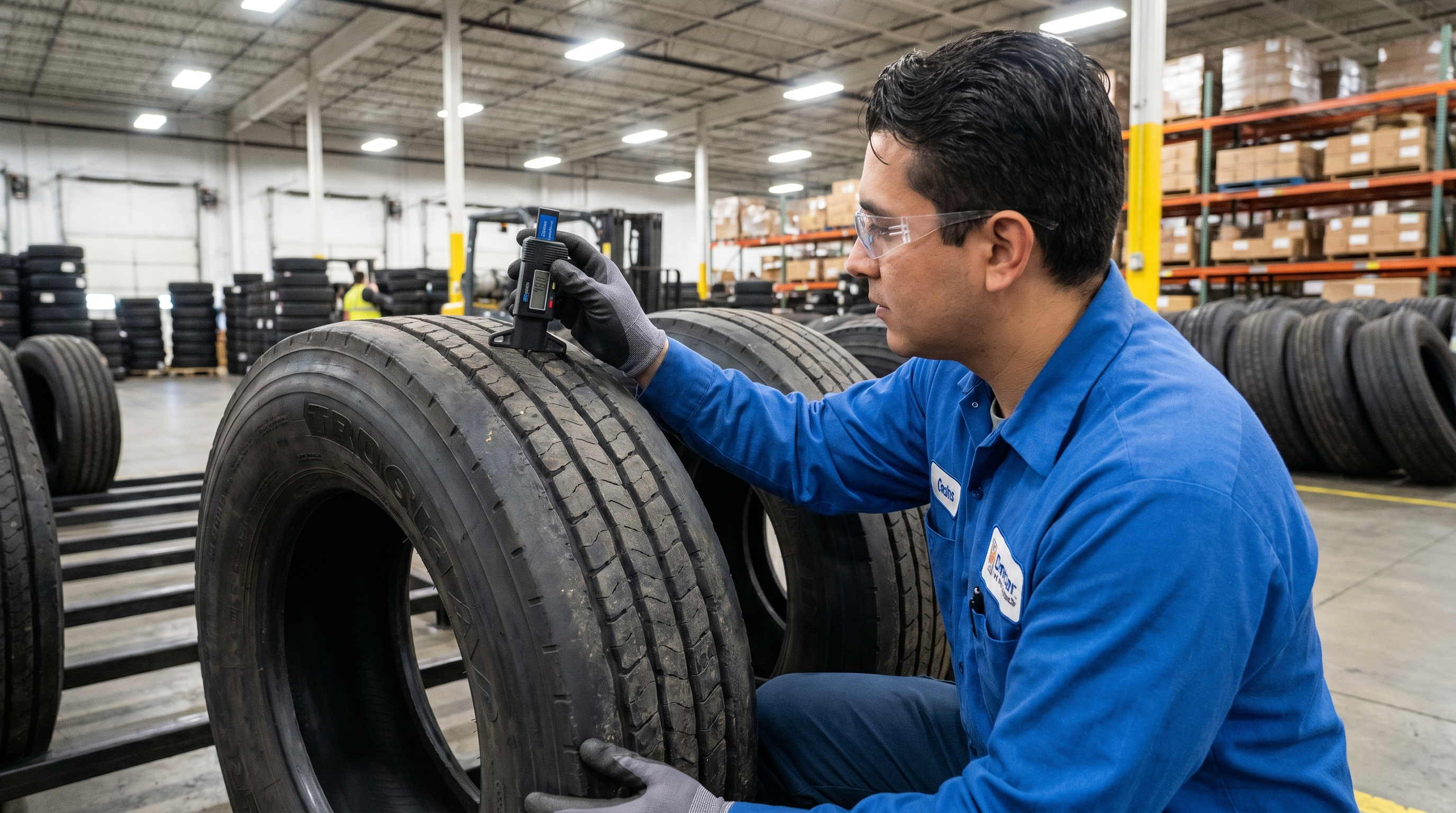
Verifying the tread during a tire pre shipment inspection involves using precision depth gauges to ensure the pattern depth matches the technical drawings exactly. Consistent tread depth is critical for traction, water displacement, and the overall mileage life of the product.
Is the pattern depth consistent?
Tread depth is measured at multiple points across the width and circumference of the tire to ensure uniform wear. You should verify that the tread wear indicators are correctly placed.
Let’s be honest: Even a 1mm difference in tread depth can drastically reduce the product’s market value.
- Multi-point depth measurements.
- Verification of pattern symmetry.
- Checking for tread chunking.
Key Takeaway: Precise tread verification ensures that your customers receive the full performance and longevity they expect from your brand.
| Pattern Zone | Target Depth | Tolerance | |
|---|---|---|---|
| Center Rib | 18.0 mm | +/- 0.5 mm | |
| Shoulder | 17.5 mm | +/- 0.5 mm | |
| Sipe Depth | 12.0 mm | +/- 0.8 mm |
Guide: Compare the measured depth against your technical specification sheet to ensure manufacturing compliance.
How are tire pre shipment inspection results tracked?
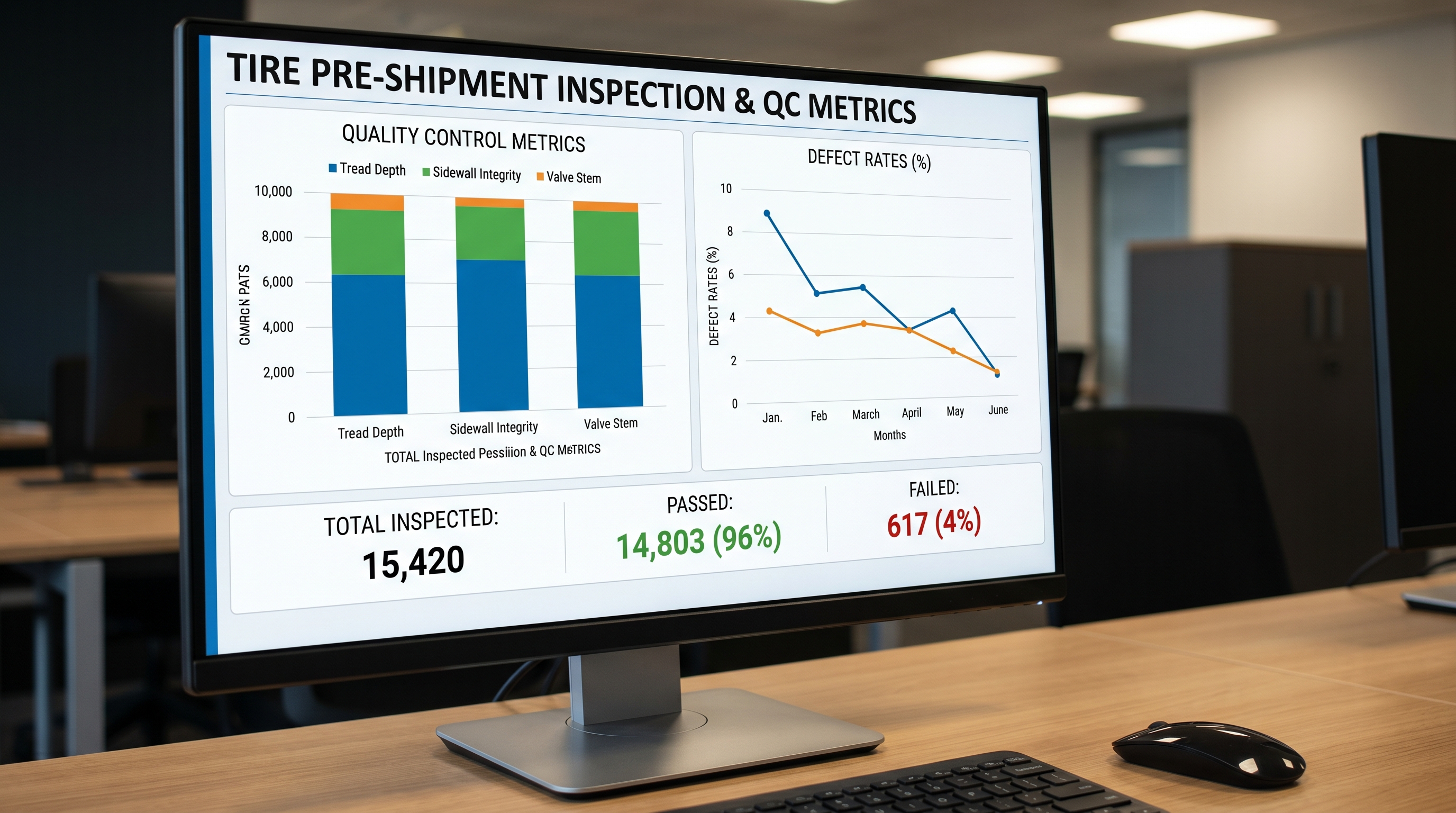
The results of a tire pre shipment inspection are tracked using digital dashboards that visualize defect rates, pass/fail trends, and factory performance over time. This data-driven approach allows you to identify recurring issues and demand process improvements from your supplier.
Can data improve your supply chain?
Data tracking allows you to see if a specific production line is consistently producing more defects than others. You can use these analytics to negotiate better terms or shift production to more reliable facilities.
Make no mistake: Data is your most powerful tool when discussing quality improvements with a factory manager.
- Monitoring of AQL levels.
- Analysis of defect categories.
- Comparison of batch consistency.
Key Takeaway: Advanced tracking transforms a simple inspection into a strategic tool for continuous quality improvement.
| Metric | Target | Warning Threshold | |
|---|---|---|---|
| Pass Rate | > 98% | < 95% | |
| Critical Defects | 0 | > 1 | |
| AQL Level | 2.5 | 4.0 |
Guide: Monitor the defect rate trends to decide when it is time to perform a more intensive factory audit.
Is loading included in tire pre shipment inspection?
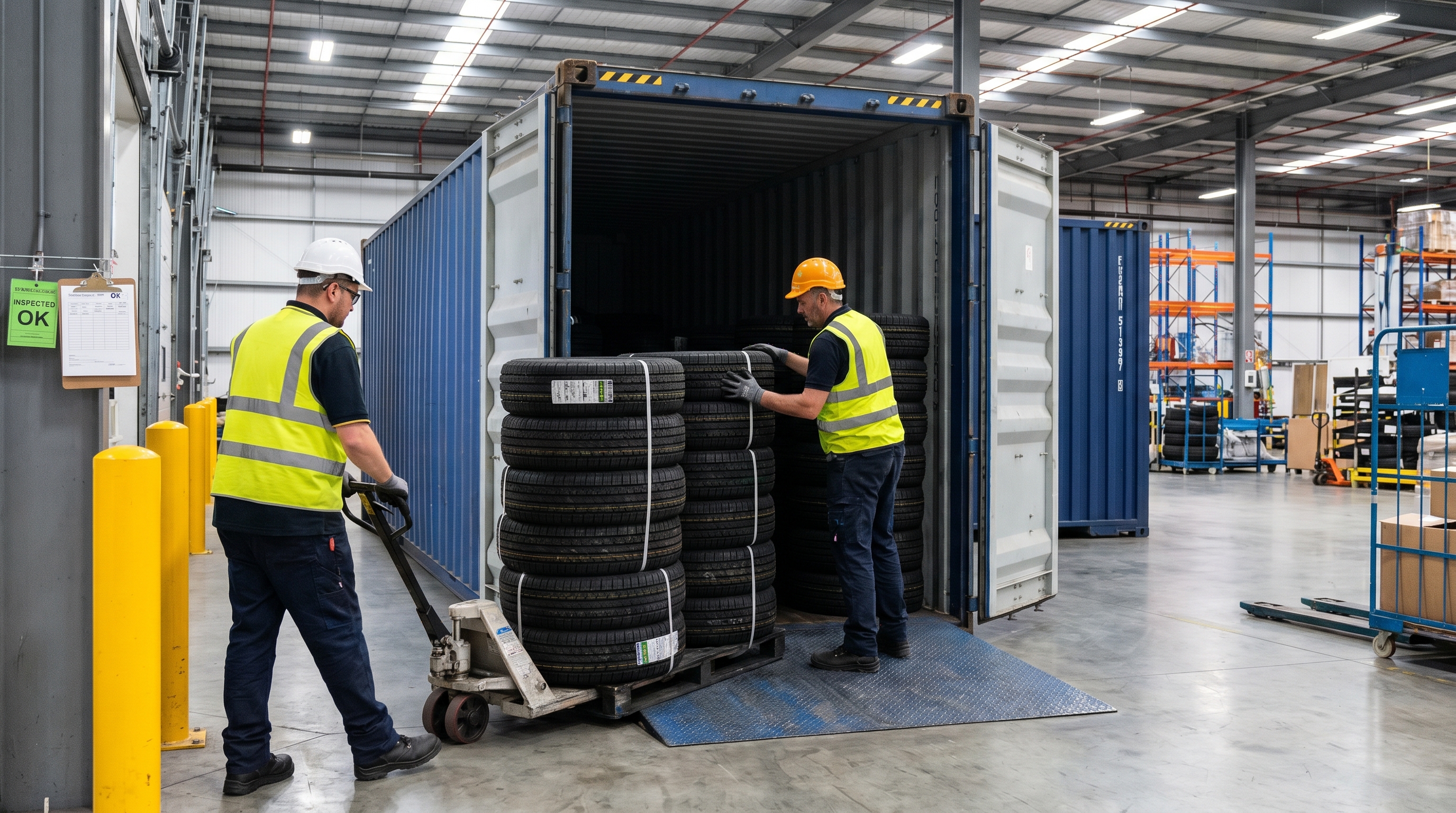
A thorough tire pre shipment inspection often includes a container loading supervision (CLS) phase to ensure that your goods are packed securely and without damage. This prevents deformation during transit and ensures that the maximum number of units are loaded efficiently.
Why supervise the loading process?
Supervision prevents workers from roughly handling the rubber or using hooks that could pierce the beads. You need to ensure the container is clean, dry, and free from leaks before loading.
Think about this: Poor loading can cause permanent “flat spots” that make tires unsellable upon arrival.
- Inspection of container condition.
- Supervision of stacking techniques.
- Recording of seal numbers.
Key Takeaway: Loading supervision is the final gatekeeper that ensures your quality-checked goods arrive in the same condition they left the factory.
| Loading Check | Requirement | Goal | |
|---|---|---|---|
| Container Seal | High-Security Bolt | Anti-Tamper | |
| Stacking Height | Max 5 Levels | Prevent Crushing | |
| Handling Tools | No Sharp Hooks | Bead Integrity |
Guide: Review the loading photos to confirm that the container was sealed in the presence of your inspector.
What are tire pre shipment inspection benefits?
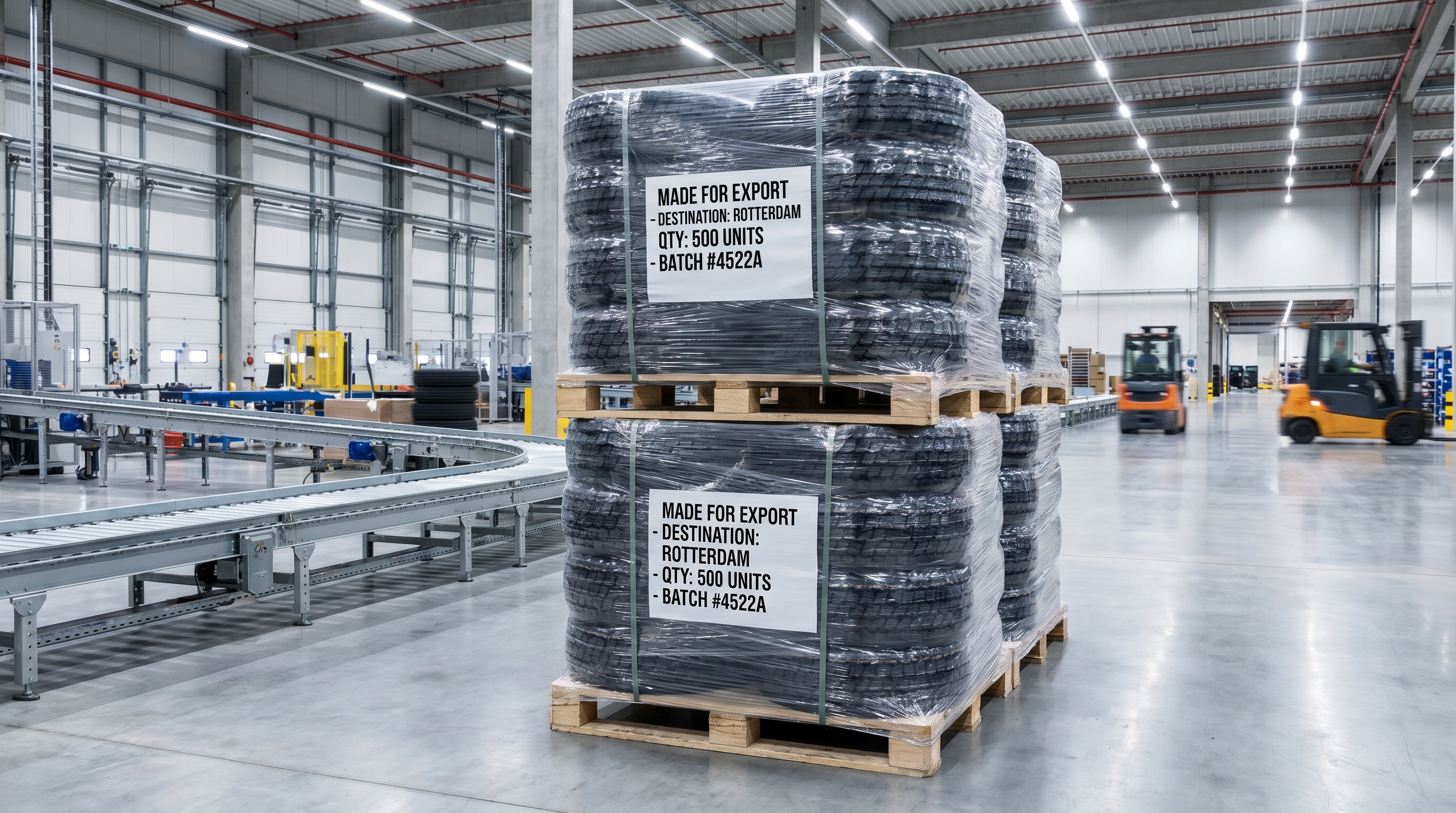
The primary benefits of a tire pre shipment inspection are risk mitigation, cost savings on returns, and the protection of your brand’s reputation in a competitive market. By catching errors at the source, you avoid the logistical nightmare of international returns and the damage of selling sub-par products.
Does it save you money?
While inspections have an upfront cost, they save thousands of dollars by preventing the shipment of unsellable or dangerous inventory. You gain peace of mind knowing your supply chain is reliable and transparent.
The simple fact is: The cost of one failed container far exceeds the cost of a hundred inspections.
- Reduction in customer claims.
- Lower insurance premiums.
- Faster customs processing.
Key Takeaway: Investing in PSI is a strategic move that pays for itself through increased operational efficiency and customer trust.
| Benefit Category | Impact | ROI Value | |
|---|---|---|---|
| Reputation | High | Long-term Growth | |
| Logistics | Medium | Lower Return Costs | |
| Legal | High | Risk Avoidance |
Guide: Use the reduction in your claim rate as a metric to justify the budget for ongoing PSI services.
Comprehensive Quality Solutions for Global Importers
A professional tire pre shipment inspection is your most effective shield against the risks of global sourcing. By addressing visual defects, structural integrity, and loading security before your products leave the factory, you solve the problems of inconsistent quality and financial uncertainty. Our brand is dedicated to excellence, ensuring that every unit you import meets the highest international standards for safety and performance. To secure your next shipment and receive a detailed quality assessment, contact us today for a professional consultation.
Frequently Asked Questions
Can I customize the inspection checklist for my specific brand?Yes, you should definitely provide a custom checklist. Most professional inspection agencies allow you to integrate your specific branding requirements, tolerance levels, and specialized testing protocols into their standard procedures.
What is the best way to handle a failed inspection report?Immediate communication with the factory is required. You should use the detailed evidence in the report to request a full rework of the batch or a discount for minor non-critical defects that are still sellable.
How do I know if the inspector is actually at the factory?Check for GPS-tagged photos and time-stamped videos in the final report. Reliable inspection services provide real-time updates and “holding a newspaper” style verification photos to prove their physical presence on the factory floor.
Can a pre shipment inspection prevent shipping delays?While the inspection takes time, it actually prevents longer delays caused by customs rejections or returns. By ensuring everything is correct before departure, you streamline the customs clearance process at the destination port.
What is the standard sample size for a bulk tire order?The standard follows the ISO 2859-1 (AQL) table. For a typical container, you would usually inspect a random sample of 80 to 125 units to achieve a statistically significant confidence level in the batch quality.