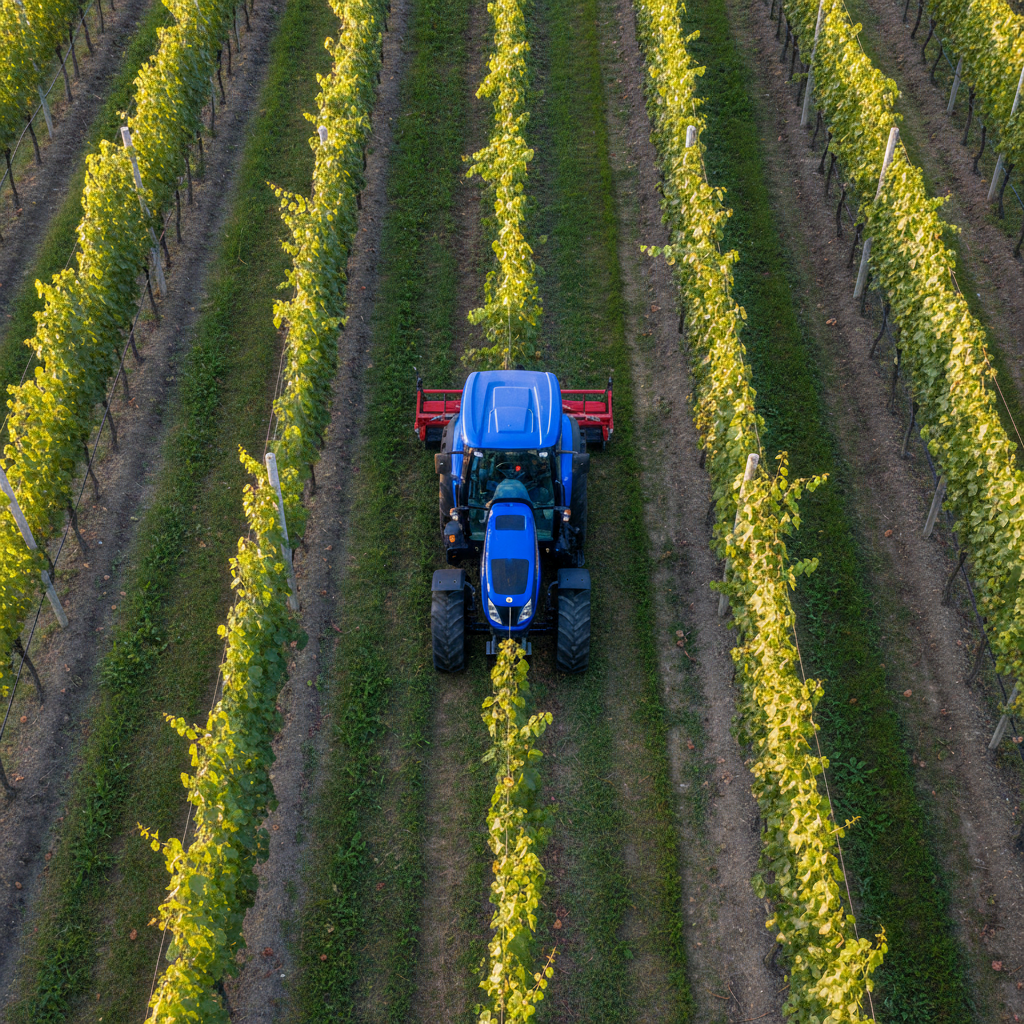
You choose professional vineyard tires to maximize tractor traction in narrow rows while preventing destructive soil compaction that kills delicate vine roots. Imagine driving your tractor through sun-drenched, narrow grape rows, only to realize your standard tires are rutting the earth and snagging expensive irrigation lines. This mechanical stress agitates the soil and reduces your long-term yield, turning a productive day into a costly maintenance nightmare. By investing in specialized Vineyard Tires, you ensure machinery agility and preserve the health of your estate’s most valuable asset.
Why are Vineyard Tires essential for modern viticulture?
Professional Vineyard Tires are essential because they are engineered with narrow profiles and flexible sidewalls specifically for the tight clearances of high-density grape rows. These specialized designs allow you to maneuver without the risk of snagging vines or damaging trellis systems. You can find high-performance options in our Products catalog.
What makes them different?
The truth is:
- Narrower section widths for 1.5m to 2m rows.
- Increased lug count for stability on side-slopes.
- Reinforced sidewalls to resist branch snags.
Standard tires lack the specific footprint needed for precision viticulture. These specialized designs handle the unique lateral loads of vineyard hillsides.
Key Takeaway: Narrow profiles are the foundation of vineyard-specific equipment efficiency.
| Feature | Standard Tractor Tire | Professional Vineyard Tire | |
|---|---|---|---|
| Width | 400mm+ | 280mm – 340mm | |
| Sidewall | Standard | Reinforced Scrub-Resistant |
Analysis: Choosing the correct width ensures your machinery fits the trellis system without compromising traction.
How does a reinforced sidewall protect your equipment?
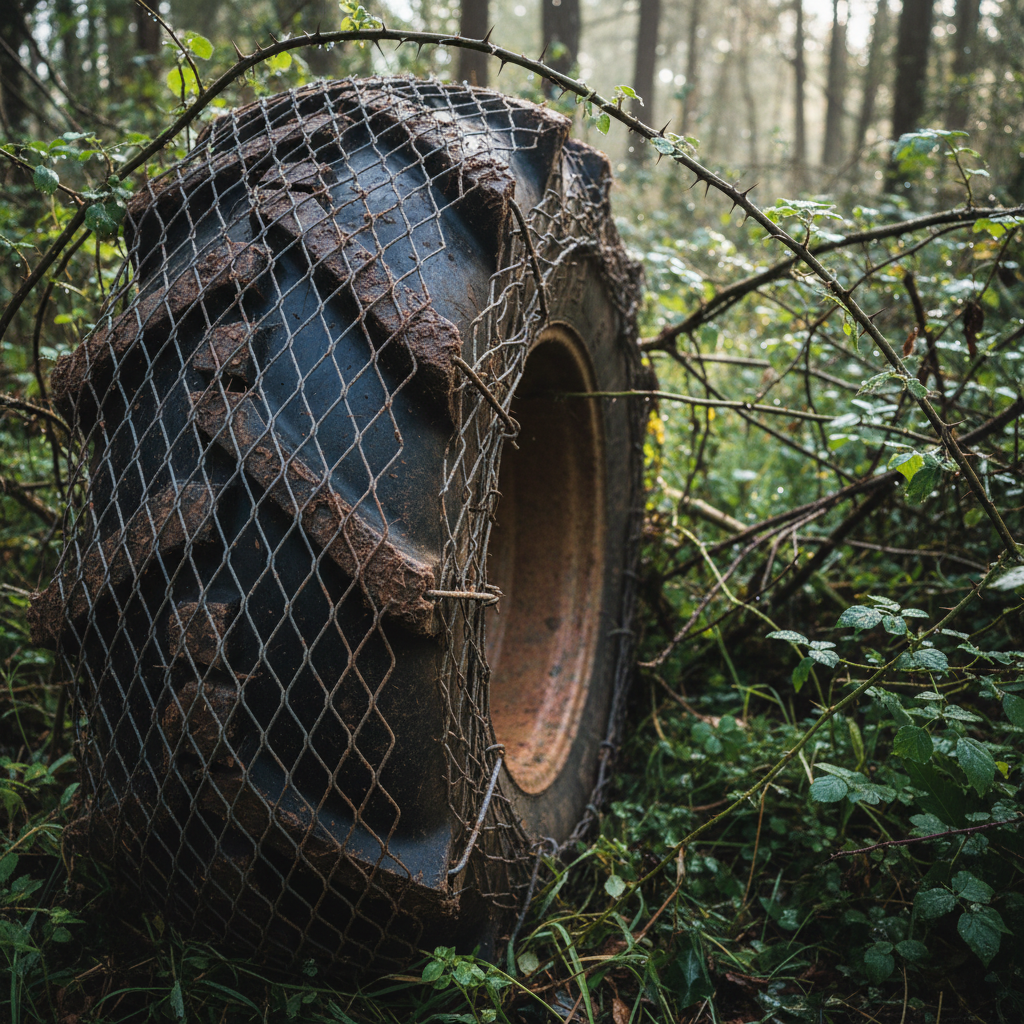
A reinforced sidewall protects your equipment by resisting punctures and abrasions caused by sharp trellis wires and woody vine debris. High-quality Vineyard Tires utilize multi-layer construction to prevent side-impact flats that lead to expensive downtime. This protection is critical when working in older vineyards with established, thick trunks.
Why is puncture resistance important?
Look:
- Specialized compounds resist sharp vine prunings.
- Steel-belted options provide ultimate protection.
- Thick base rubber protects the air chamber.
A flat tire during the spray window can lead to disease outbreaks in your grapes. Puncture resistance isn’t a luxury; it’s insurance for your crop.
Key Takeaway: Sidewall reinforcement is the hallmark of a tire built for vineyard reality.
| Construction | Standard Bias | Reinforced Vineyard | |
|---|---|---|---|
| Puncture Risk | High | Very Low | |
| Debris Resistance | Minimal | Maximum |
Analysis: Evaluating technical specs like ply rating reveals the true value of a tire’s protection.
Why is lateral stability critical on vineyard slopes?
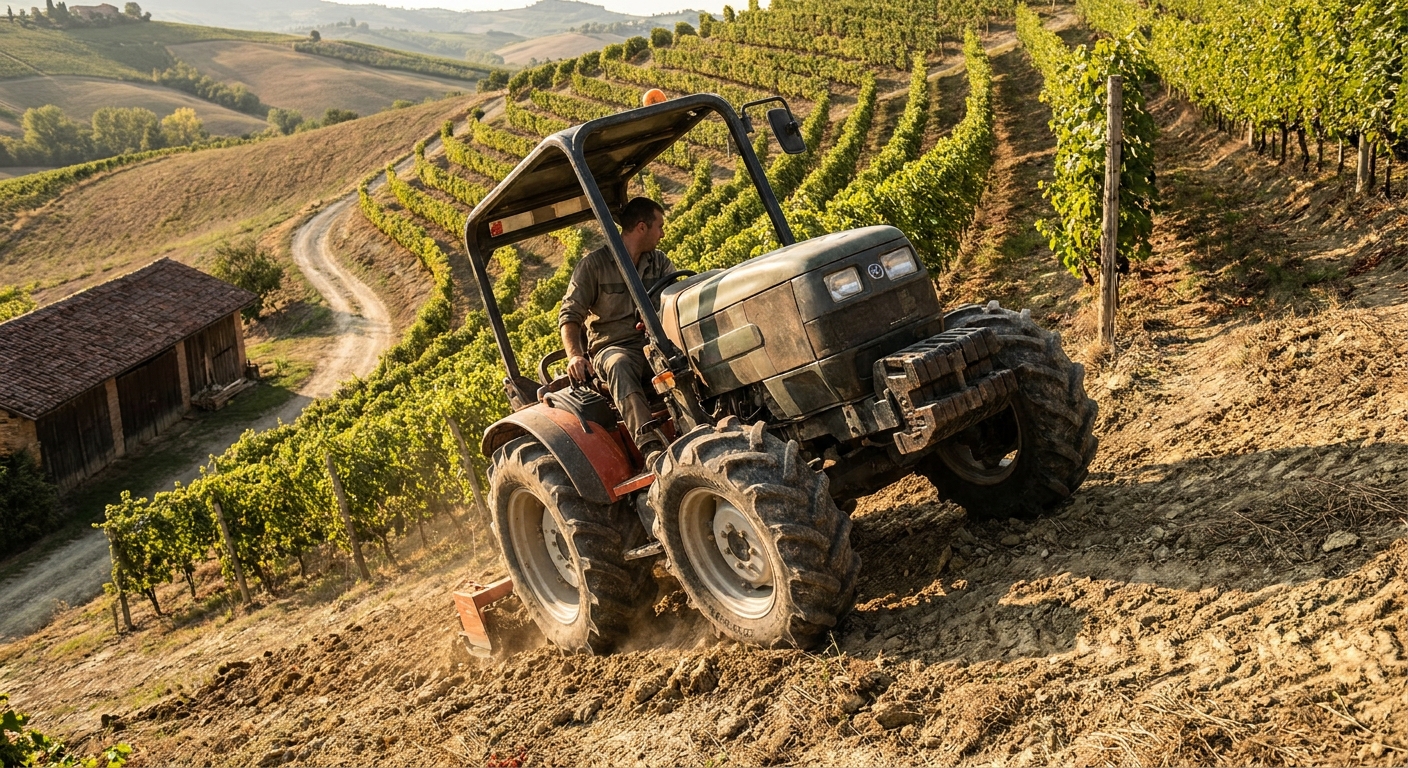
Lateral stability is critical because it prevents the tractor from sliding sideways on steep vineyard hillsides, protecting both the operator and the vines. Specialized Vineyard Tires provide a wider footprint and reinforced beads to maintain a firm grip on uneven terrain. You should explore our Agricultural Tires for models specifically designed for sloped estates.
How do tires handle side loads?
The best part?
- Advanced radial plies distribute weight evenly.
- Reinforced beads prevent the tire from slipping on the rim.
- Wider lug spacing improves lateral grip.
Safety is paramount when working on the uneven terrain of most vineyards. New tires provide the predictable handling needed for dangerous slopes.
Key Takeaway: Stability on slopes is essential for safety and precision in high-density rows.
| Performance Metric | Bias Construction | Radial Stability | |
|---|---|---|---|
| Lateral Grip | Average | Superior | |
| Sliding Risk | Moderate | Low |
Analysis: Stability is a combination of tread design and internal construction working together.
Which tread patterns offer the best vineyard traction?
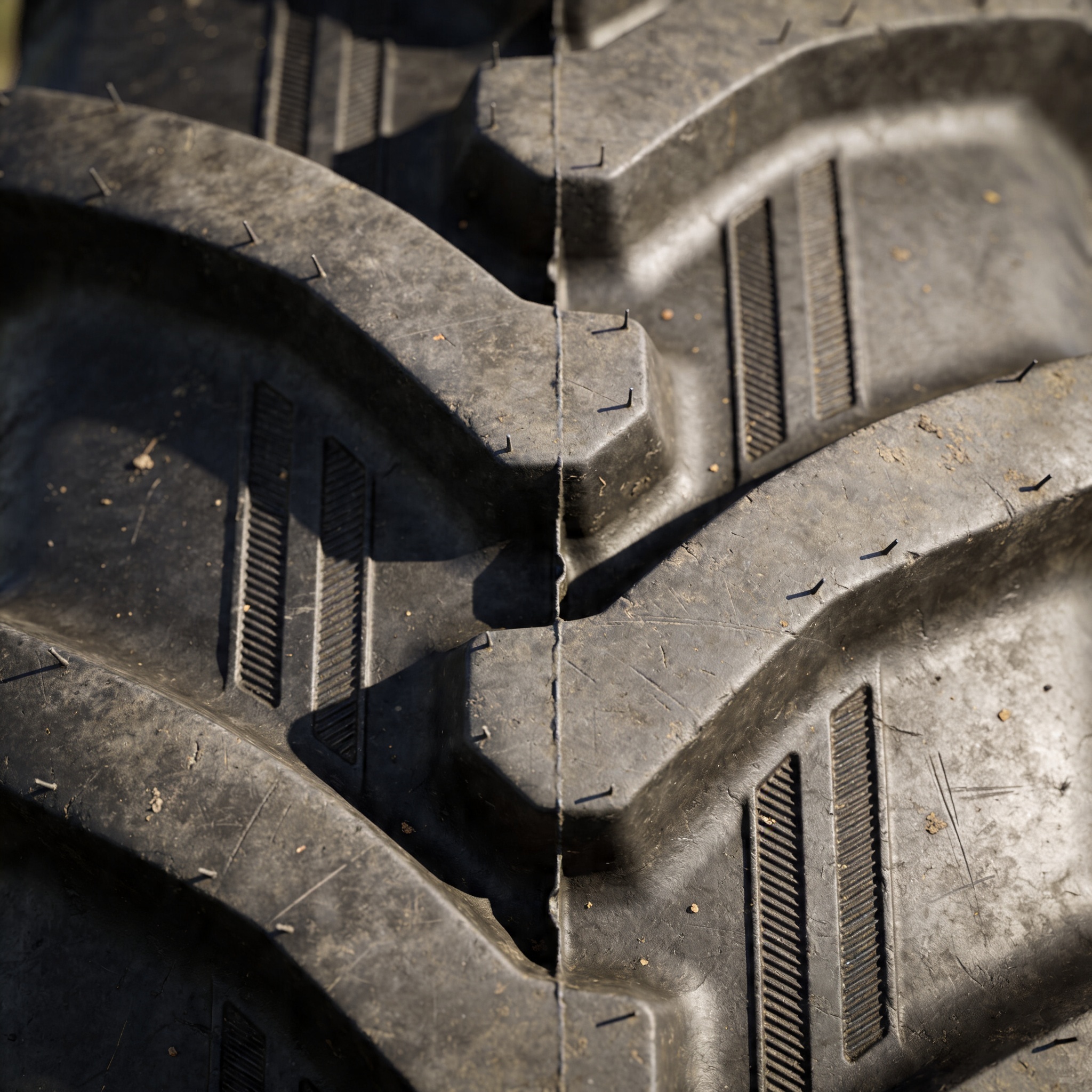
The best tread patterns for Vineyard Tires are usually R-1 or R-1W designs that feature a 45-degree lug angle for balanced traction and self-cleaning. These patterns provide the necessary “bite” for steep slopes while remaining smooth enough for inter-row travel. You need a pattern that sheds mud effectively to maintain consistent forward momentum.
Choosing the right lug depth?
Here is the deal:
- Deep lugs provide safety on steep hills.
- Symmetric lugs improve road travel comfort.
- Wider spacing prevents soil clogging.
The choice depends entirely on your local soil moisture levels. R-1W is the go-to for spring spraying in muddy conditions.
Key Takeaway: Match your lug depth to your wettest working season for maximum safety.
| Pattern Type | Best Environment | Primary Benefit | |
|---|---|---|---|
| R-1 Standard | Dry/Firm Soil | Long Wear Life | |
| R-1W Deep | Muddy/Wet Soil | Superior Traction |
Analysis: Tread selection is a trade-off between aggressive grip and smooth operation on paths.
How can you optimize tire pressure for soil health?
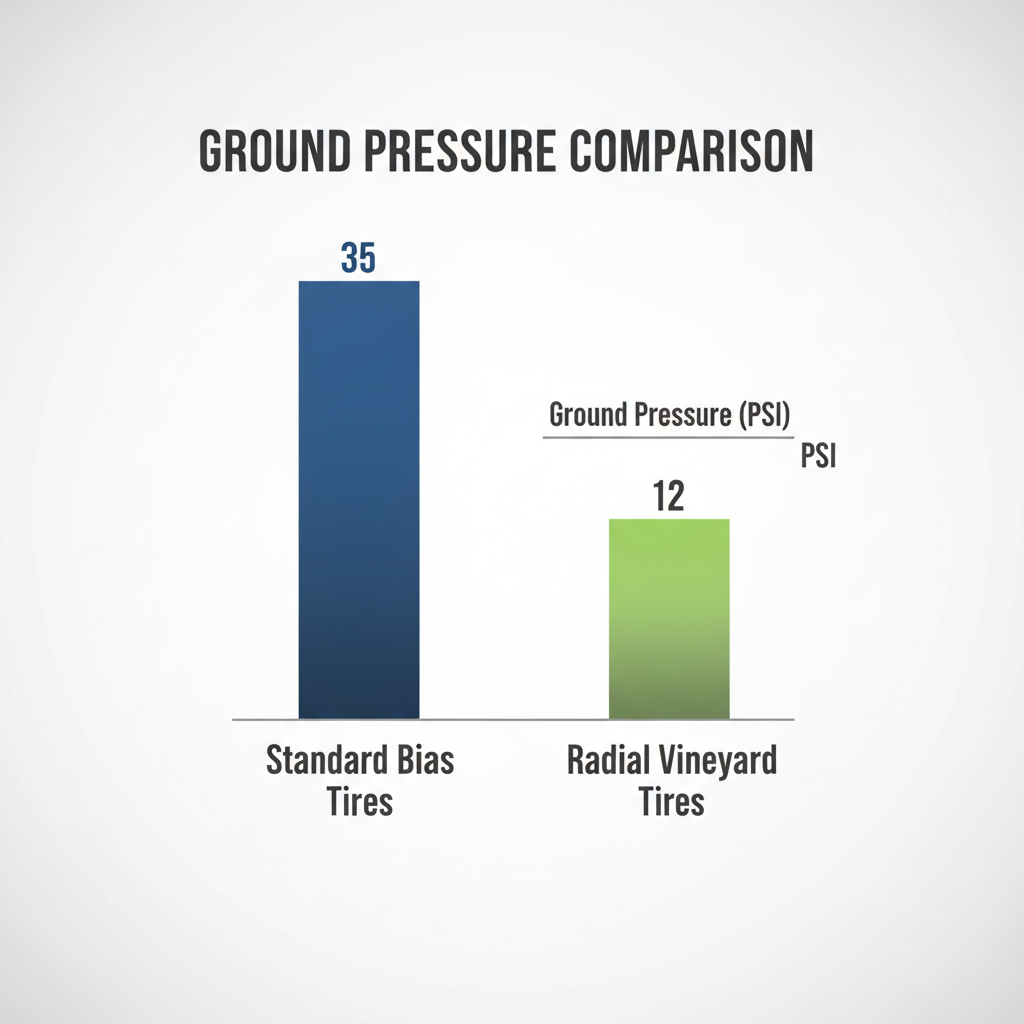
You optimize tire pressure for soil health by using radial Vineyard Tires that operate at lower PSI to create a longer, flatter footprint. This technology distributes the tractor’s weight more evenly, preventing the formation of deep ruts and hardpan layers. For heavy-duty lifting needs, consider our Industrial Tires options that balance load and pressure.
Impact on root health?
You might be wondering:
- Reduces the formation of hardpan layers.
- Allows better water infiltration into the soil.
- Protects delicate feeder roots near the surface.
Compacted soil chokes the vine’s ability to absorb nutrients. Using the right tires preserves the soil’s natural porosity.
Key Takeaway: Radial technology is the best defense against yield-killing soil compaction.
| Metric | High-Pressure Tire | Low-Pressure Radial | |
|---|---|---|---|
| Footprint Area | Small/Circular | Large/Oval | |
| Soil Depth Impact | Deep Compaction | Surface Contact Only |
Analysis: Footprint optimization is the most effective way to protect the vineyard’s ecosystem.
Where should you source high-volume Vineyard Tires?
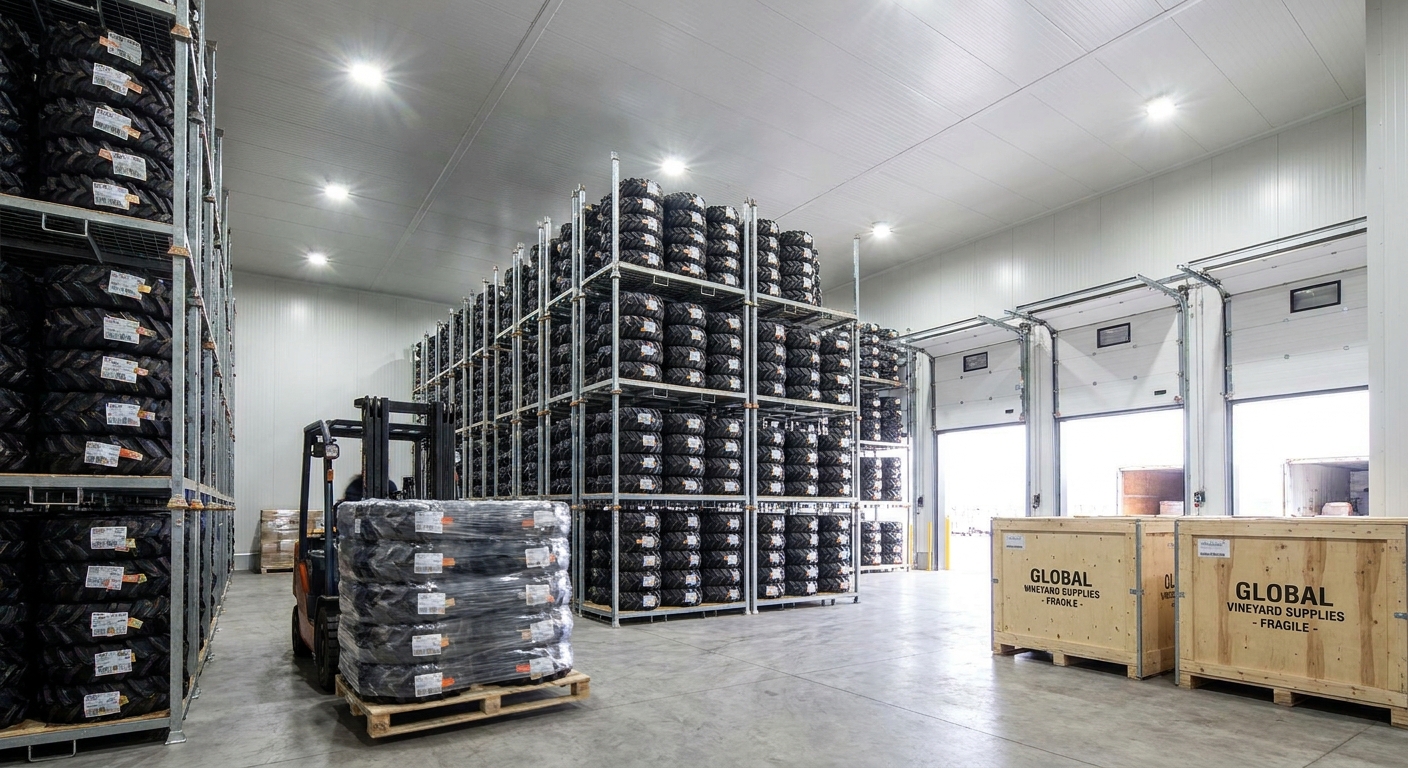
You should source high-volume Vineyard Tires from specialized manufacturers that offer factory-direct pricing and international shipping certifications. Buying directly from a manufacturer with a proven track record ensures you receive consistent quality across every shipment. This approach is ideal for global importers and large-scale vineyard operators looking for cost efficiency.
Why choose factory-direct?
But wait, there’s more:
- Custom sidewall branding for your business.
- Flexible MOQ for testing new markets.
- Mixed container shipping to save on logistics.
Reliability in a supplier is just as important as the tire itself. A good partner ensures technical accuracy and reduces middleman costs.
Key Takeaway: Factory-direct partnerships offer the best balance of quality and cost efficiency.
| Supplier Benefit | Factory Direct | Generic Distributor | |
|---|---|---|---|
| Lead Time | 15 – 28 Days | 45+ Days | |
| Customization | Full Support | Limited |
Analysis: Direct communication with the factory eliminates technical errors in bulk orders.
Can specialized tires reduce your daily fuel costs?
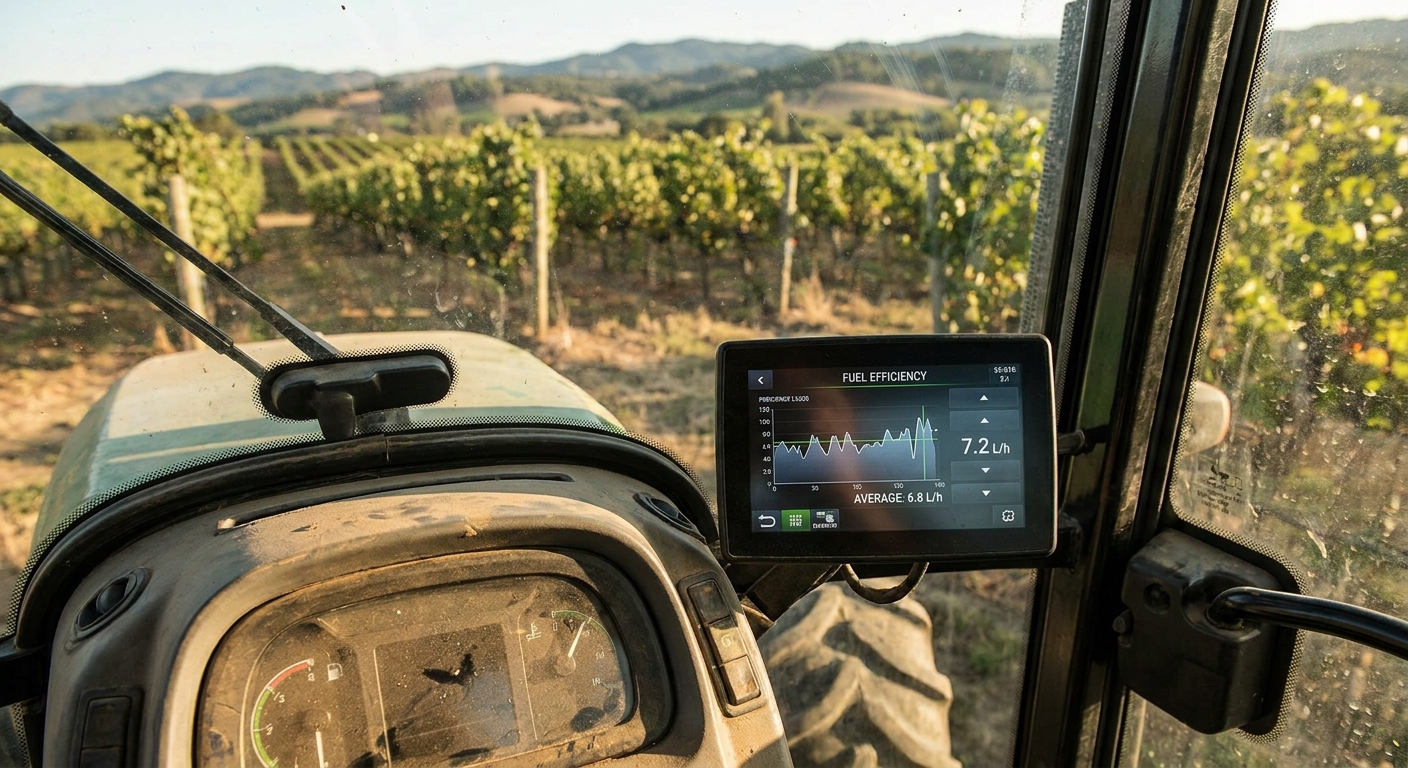
Specialized Vineyard Tires reduce daily fuel costs by lowering rolling resistance and minimizing wheel slip during heavy towing or spraying. When your tires grip the soil effectively, the engine doesn’t have to work as hard to maintain forward speed. If you are ready to upgrade your efficiency, contact us to discuss the right fit for your fleet.
Role of rolling resistance?
Believe it or not:
- Radial plies flex more easily than bias.
- Less heat buildup means less energy loss.
- Smooth tread transition reduces vibration.
Low rolling resistance is the hidden way to save thousands in fuel costs. Every percent of slip eliminated is a direct saving for your business.
Key Takeaway: Upgrading to radial vineyard tires is an investment in lower operating costs.
| Tire Type | Fuel Efficiency | Traction Rating | |
|---|---|---|---|
| Bias Ply | Low | Average | |
| Standard Radial | High | Excellent |
Analysis: Fuel efficiency is tied to how effectively the tire converts power into ground motion.
What should you check during a tire safety inspection?
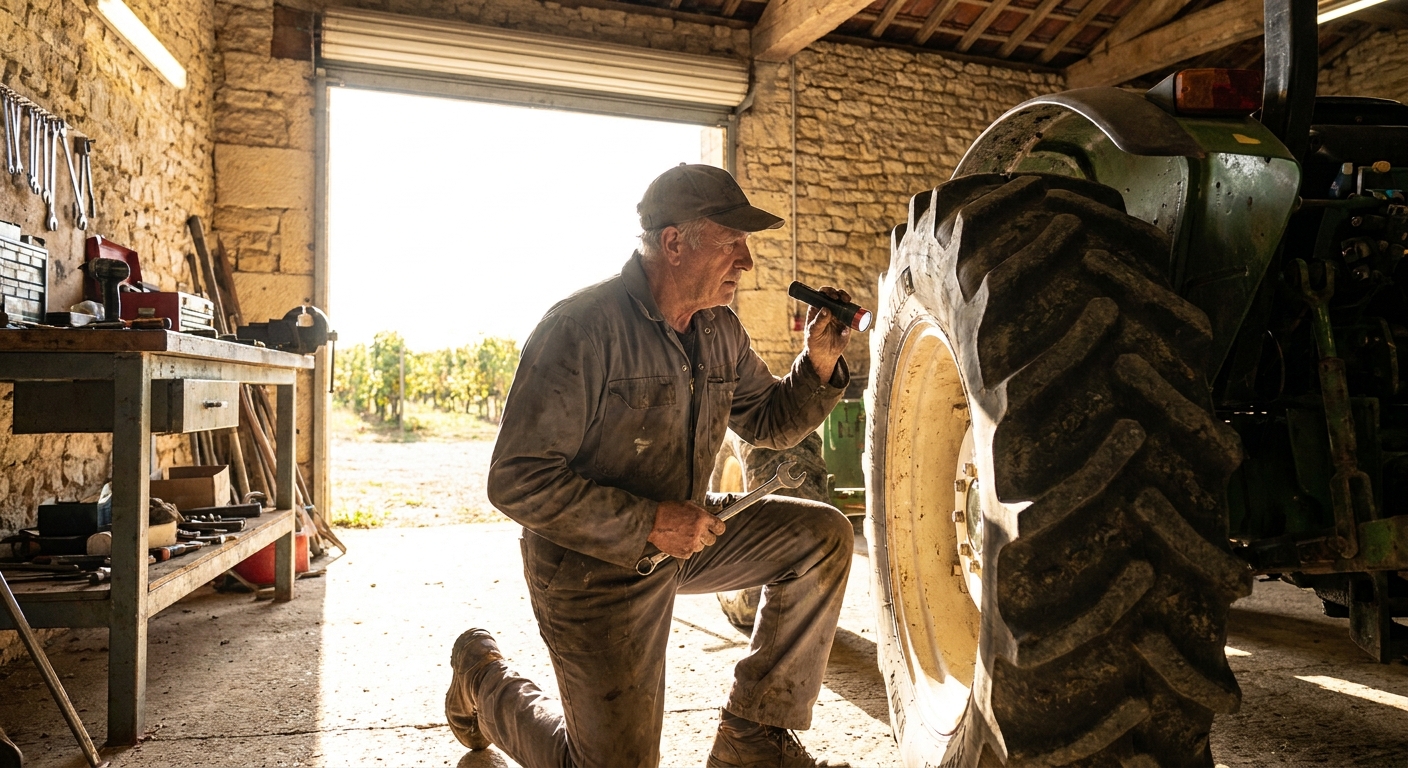
During a tire safety inspection, you must check for sidewall cuts, lug wear, and signs of weather-cracking that could lead to failure. Since vineyard tractors operate on uneven slopes, ensuring structural integrity is vital for avoiding accidents. Regular walk-arounds help you spot small punctures from trellis wires before they become total flats.
Warning signs of wear?
Think about it:
- Increased wheel slip in normal conditions.
- Visible checking or weather-cracking.
- Loss of traction on slopes you used to climb.
Loss of traction is often the first sign that your lugs are too low. Don’t wait for a blowout to take action during harvest.
Key Takeaway: Replace tires based on performance loss and safety risks, not just failure.
| Condition | Action Required | Priority | |
|---|---|---|---|
| Exposed Plies | Do Not Operate | Critical | |
| <20% Lug Depth | Immediate Replace | High |
Analysis: Timing your replacement before peak season avoids the high cost of emergency repairs.
Why is a digital gauge necessary for maintenance?
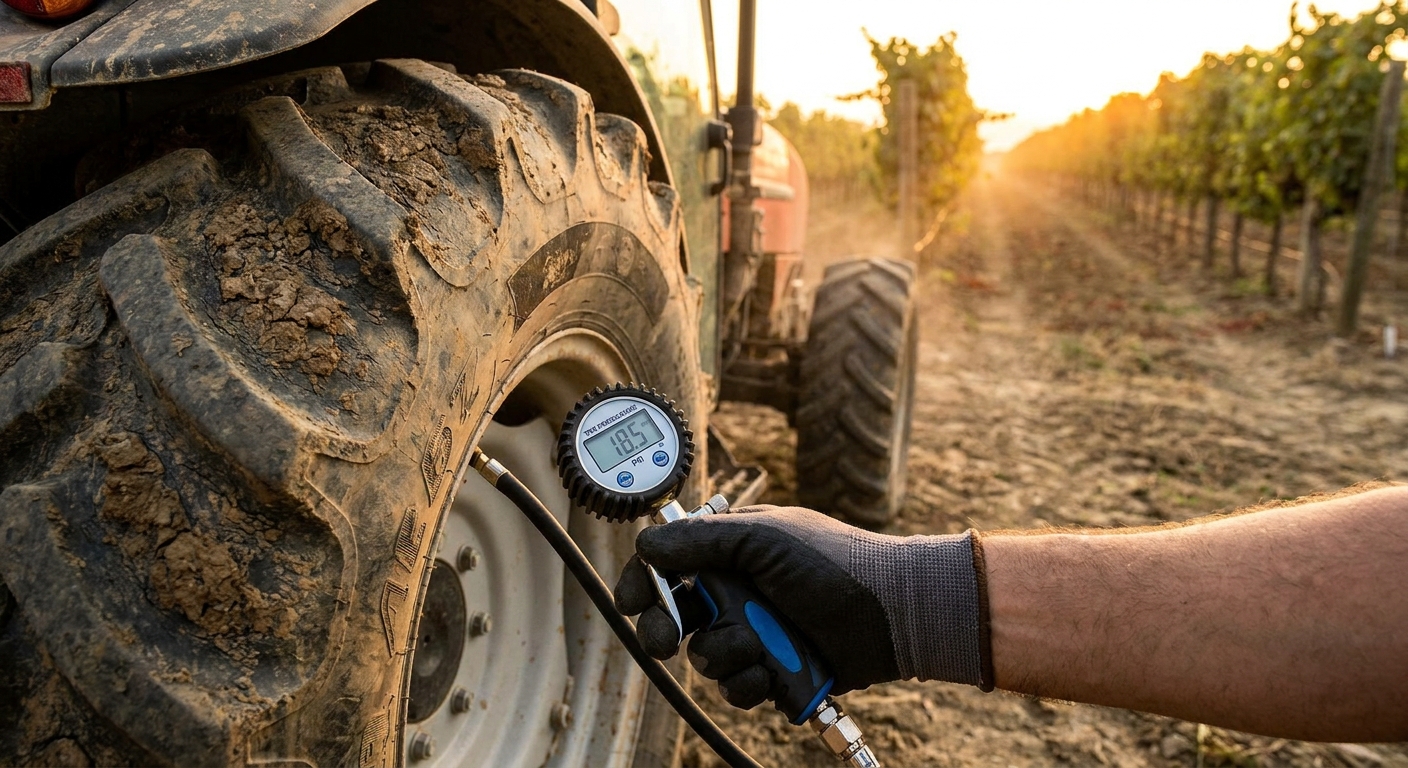
A digital gauge is necessary because it provides the precise pressure readings required to maintain the efficiency of modern Vineyard Tires. Small fluctuations in PSI can drastically change the tire’s footprint and its impact on your soil. You can check our Homepage for more technical guides on equipment maintenance.
Pressure management tips?
Listen:
- Check pressure when tires are cold.
- Adjust PSI based on the weight of the implement.
- Under-inflation causes sidewall cracking.
Consistency is the secret to getting over 5,000 hours out of your tires. A small investment in a gauge saves thousands in replacements.
Key Takeaway: Consistent pressure monitoring is the most important factor in tire longevity.
| Maintenance Task | Frequency | Objective | |
|---|---|---|---|
| Pressure Check | Weekly | Prevent Casing Stress | |
| Visual Check | Daily | Spot Wire Punctures |
Analysis: Proactive maintenance prevents mid-season breakdowns that can ruin a harvest schedule.
How do Vineyard Tires fit narrow-track tractors?
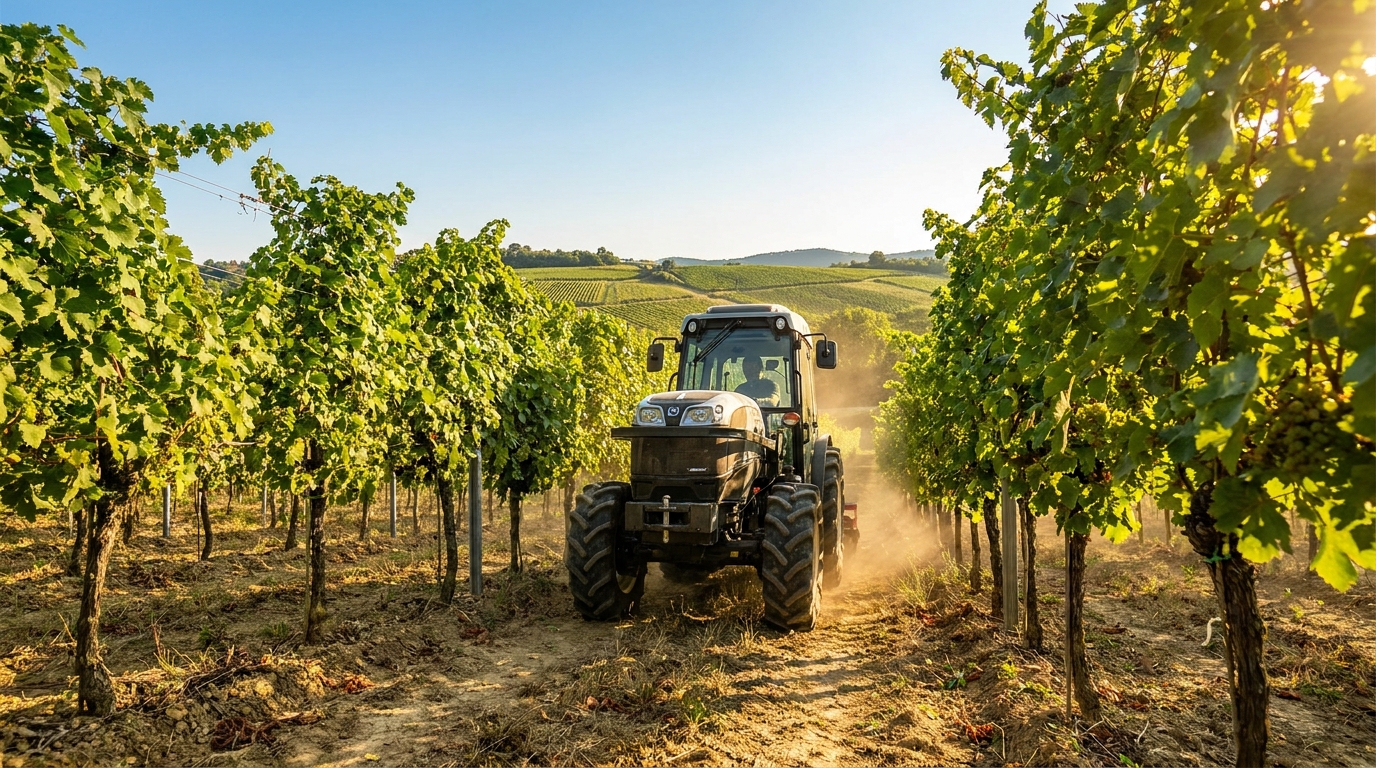
Vineyard Tires are designed with a slim profile to fit narrow-track tractors, allowing them to pass through rows without hitting trunks. These tires ensure the machine stays centered, providing maximum clearance on both sides of the trellis. Selecting the correct width is the only way to operate high-density plantings safely.
Navigating narrow vine rows?
It gets better:
- Maintain at least 15cm clearance per side.
- Prevents accidental snagging of drip lines.
- Improves the operator’s line of sight.
Narrow widths are non-negotiable in modern, high-density vineyard designs. They allow for the use of wider implements without increasing the total footprint.
Key Takeaway: Row width should dictate your tire size to prevent catastrophic vine damage.
| Row Width | Recommended Tire Width | Application | |
|---|---|---|---|
| < 1.8m | 250mm – 280mm | Super-High Density | |
| 1.8m – 2.5m | 300mm – 340mm | Standard Vineyard |
Analysis: Accurate measurement of your narrowest row is the first step in tire selection.
Conclusion
Choosing professional vineyard tires is a strategic investment that protects your soil health and optimizes your tractor’s performance. By focusing on reinforced sidewalls, radial construction, and precise narrow profiles, you solve the dual problems of soil compaction and equipment damage. At Chiyou Tire, our vision is to provide global agricultural partners with reliable, high-performance solutions that drive farm efficiency forward.
Ready to optimize your fleet? Please contact us today for a professional quote and expert consultation on your next vineyard project.
Frequently Asked Questions (FAQ)
Can I use standard tractor tires in my vineyard?While possible, standard tires are often too wide and have higher ground pressure, which risks damaging vines and compacting the soil. Professional vineyard tires are specifically designed to fit narrow rows and protect delicate root systems.
What’s the best PSI for vineyard work?The ideal PSI varies based on the load, but radial vineyard tires often operate efficiently between 12 and 22 PSI to minimize soil compaction. Using a lower pressure with radial tires creates a larger footprint that protects the soil while maintaining traction.
Can I mix radial and bias tires on the same tractor?No, you should never mix different tire constructions on the same tractor as it can cause severe handling issues and mechanical strain on the drivetrain. Mixing tires leads to uneven traction and can be dangerous on steep vineyard slopes.
How do I choose the correct width?You should measure your narrowest vine row and ensure the total tractor width with new tires allows for at least 15cm of clearance on each side. This margin prevents accidental damage to vine trunks, drip lines, and trellis posts.
What’s the average life expectancy of vineyard tires?With proper maintenance and pressure management, professional vineyard tires typically last between 3,000 and 5,000 operating hours. Factors like road travel and soil abrasiveness will influence the actual lifespan of the tread.